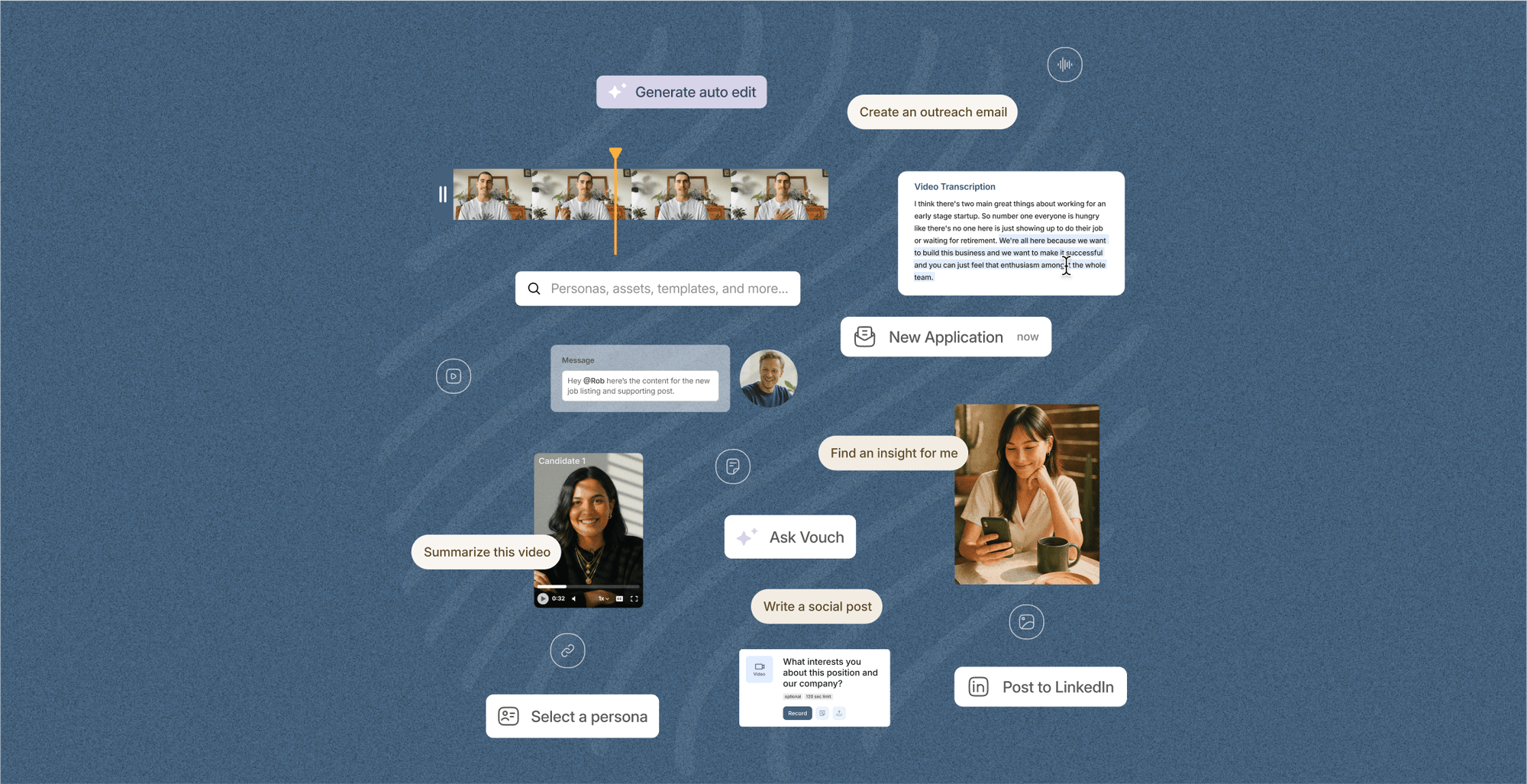
In today’s competitive talent landscape, employer branding is no longer optional, it’s a business-critical function.
With hiring challenges rising and Gen Z rewriting the rules of candidate engagement, 2026 is seeing some major shifts in how companies attract and retain top talent. Here's what’s changing, and how you can stay ahead.
First, three eye-opening stats shaping the conversation in 2026:
- 71% of job seekers say they won’t apply to a company that lacks a strong employer brand – even if they’re unemployed.
- 81% of Gen Z candidates expect employer branding content to be “authentic and employee-led".
- Companies with strong employer brands see a 50% reduction in cost per hire.
With those statistics in mind, let's get started!
Why Is Employer Branding More Important Than Ever?
At its core, employer branding is the perception current and potential employees have about working for your company.
It’s your company’s reputation as an employer, not just a place to work, but a place where people want to work.
In 2026, employer branding isn't just about showcasing perks. It’s about culture, purpose, and your employee's voices.
Why employer branding matters now more than ever:
- Workers, especially Millennials and Gen Z, are actively researching employer reputation before applying
- Platforms like Glassdoor, LinkedIn, and YouTube make it easier for candidates to judge your workplace
- Employer branding directly impacts retention, recruitment, and engagement metrics
What Are the Biggest Employer Branding Trends in 2026?
Let’s break down the most important trends shaping employer branding right now.
These aren’t just fads, these are movements backed by data, and they’re redefining how your business communicates it's culture.
Trend 1. Video Testimonials Are Taking Center Stage
In 2026, authenticity is the name of the game and video is by far, the most trusted format. Candidates want to see and hear directly from your employees.
Why video testimoinals work:
- People retain 95% of a message when they watch it in a video, versus only 10% when reading text
- It’s far more engaging than written testimonials or static career pages
Start here: Vouch is a leading employer branding tool trusted by companies like Canva, Amazon, and Warner Bros. Discovery, to collect and share high-impact employee video testimonials. Explore their insights on video-led hiring strategies on the Vouch blog.
Trend 2. Employee Advocacy Is The New Influencer Marketing
In 2026, the best employer brand content doesn’t come from your marketing team, it comes from your people.
Employees have the power to become brand ambassadors, sharing behind-the-scenes content on LinkedIn, TikTok, and Instagram - both your channels and their own.
Why employee advocacy matters:
- 76% of people trust content shared by individuals over branded content
- Companies that activate employees as advocates see 2x higher engagement on social platforms
What you can do to get started: Encourage and train employees to share their day-to-day experiences, highlight internal events, or post about career milestones. Authenticity always beats polish.
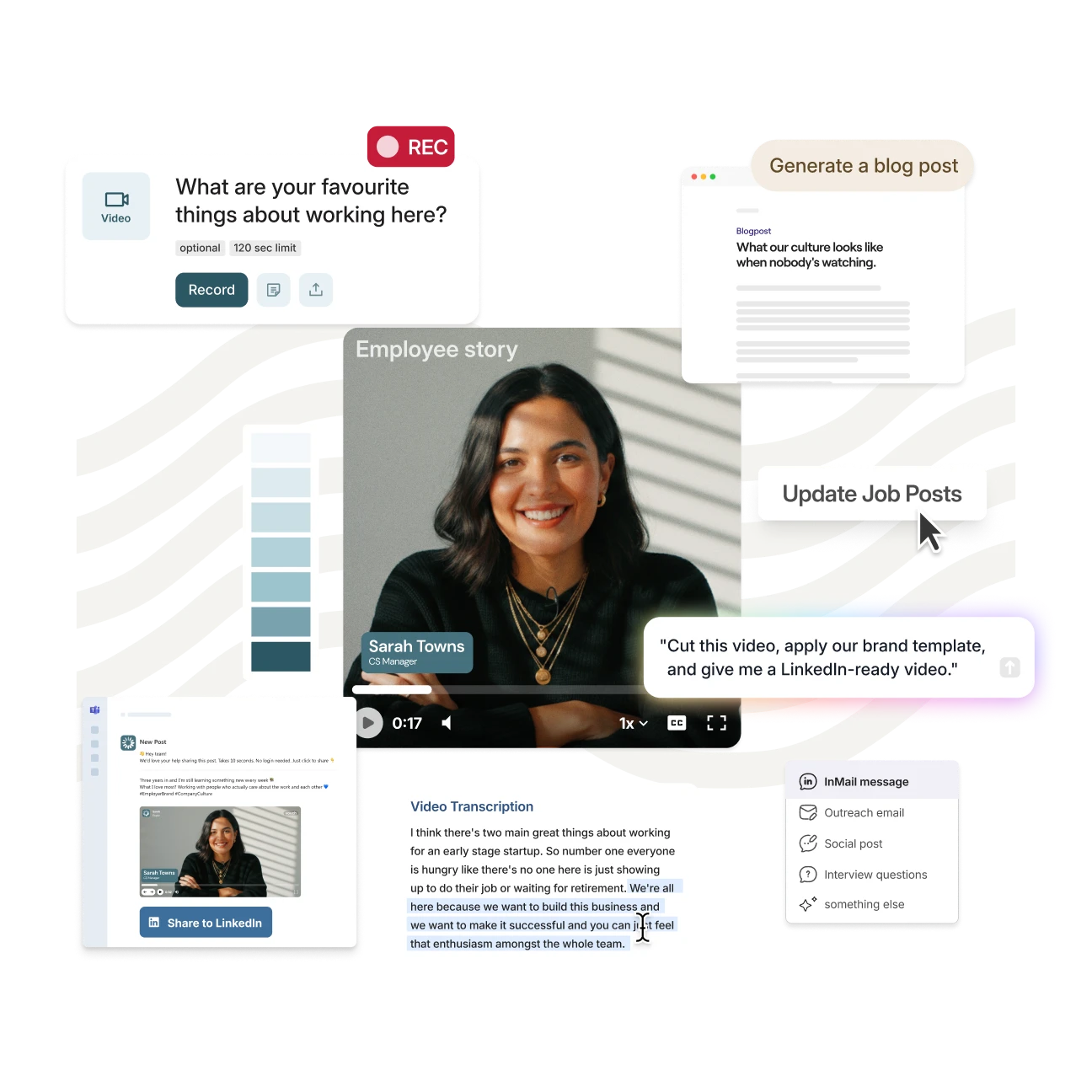
Bring your employer brand to life
- Empower employees’ storytelling
- Transform careers sites with video
- AI-driven video editing
- Publish videos anywhere
Trend 3. AI-Powered Personalization Is Changing Career Sites
Static career pages are outdated. Modern candidates expect a dynamic, personalized experience when exploring job opportunities.
What’s changing with AI:
- AI tools along with video is now tailoring job recommendations and content based on a candidate’s behavior and resume
- Personalized messages increase apply rates by up to 50%
Tip: Work with HR tech partners that offer personalization engines for your career page. Think of it as turning your careers site into a Netflix-style experience for job seekers, using tools like Vouch to create highly engaging, personalized positions.
Trend 4. Data-Led Employer Brand Strategies Are Essential
Gone are the days of gut-feel branding decisions.
In 2026, the most successful employer brand teams are using real-time employer branding analytics to measure brand perception and optimize campaigns.
Tools and metrics to watch:
- Social media sentiment analysis
- Glassdoor and Comparably rating tracking
- Content engagement rates and conversion to applications
Pro tip: Use platforms like LinkedIn Talent Insights or Vouch’s analytics dashboard to track performance and adjust campaigns based on real data.
Trend 5. Purpose-Driven Employer Branding Is Now Key
Job seekers today don’t just want a paycheck, they want purpose - and they want to know what your company stands for.
The purpose shift:
- Candidates today are ranking “company purpose” as a top 3 factor in accepting a job offer
- CSR (corporate social responsibility) content now outperforms traditional culture content by 2x on social media
How to implement: Highlight your mission, sustainability efforts, DEI initiatives, and community involvement through storytelling. Bring it to life with real employee voices and real stories.
Trend 6. The Rise Of The Remote Work Culture In Employer Branding
Remote and hybrid work is now the norm for many companies, and employer branding needs to reflect that.
What remote candidates care about:
- How your teams collaborate remotely
- What your digital culture looks like
- How you support mental health and work-life balance
Show it off: Create behind-the-scenes videos of virtual events, async workflows, and employee flexibility stories using Vouch. Authenticity wins every time.
Who Are 10 Companies Leading in Employer Branding in 2026?
Here’s a look at the organizations setting the gold standard this year:
Canva
Employees: ~3,500, Revenue: $2B+
Known for creative storytelling and employee-led content canva.com
Salesforce
Employees: ~80,000, Revenue: $34.9B
Strong focus on purpose and sustainability salesforce.com
HubSpot
Employees: ~7,400, Revenue: $2.5B
Transparent culture and strong remote branding, hubspot.com
Nike
Employees: ~79,000, Revenue: $50.6B
Focus on brand values and inclusion, nike.com
Amazon
Employees: ~1.5M, Revenue: $574.8B
Robust video branding and candidate personalization, amazon.jobs
Cisco
Employees: ~83,000, Revenue: $57B
Leader in hybrid work culture storytelling, cisco.com
Lululemon
Employees: ~35,000, Revenue: $9.6B
Strong on wellness and employee experience, lululemon.com
Adobe
Employees: ~28,000, Revenue: $19.4B
Culture of creativity and innovation in employer content, adobe.com
Unilever
Employees: ~127,000, Revenue: $65.3B
Purpose-first employer branding strategy, unilever.com
Spotify
Employees: ~9,000, Revenue: $13B
Pioneers of “Work From Anywhere” branding, spotifyjobs.com
FAQs
What is employer branding?
It’s the perception people have of your company as a place to work. It covers culture, leadership, values, and more.
How do I start building an employer brand?
Start by gathering feedback from employees, defining your EVP, and using tools like Vouch to share authentic stories.
What are the top platforms for employer branding?
LinkedIn, Glassdoor, TikTok, and YouTube are top choices in 2026.
How do I measure employer branding success?
Track apply rates, engagement on employer content, candidate NPS, and review site ratings.
Is employer branding only for big companies?
Not at all. Startups and SMEs benefit significantly from strong branding - it helps level the playing field.
How does remote work affect employer branding?
It requires you to showcase digital culture, communication practices, and remote work support clearly.
Can employees help build the employer brand?
Yes! Employee advocacy is one of the most powerful tools in employer branding today.
Summary
Employer branding in 2026 is smarter, more data-driven, and more human than ever before. With job seekers craving transparency and connection, the companies that win will be those that empower their people to tell authentic stories - and do so with the right tools and strategy in place.
Platforms like Vouch are leading the charge, helping companies humanize their employer brands and scale employee storytelling at every touchpoint. When paired with smart data and a clear purpose, employer branding becomes not just a recruitment tool, but a strategic advantage.
So, whether you're building your brand from the ground up or refining a global strategy, these trends and tools will set you up for success in a fast-moving talent market.
See Why Employer Brand Managers Love Vouch!
Loved by companies like Warner Bros. Discovery, Canva, Nike, Cisco, HubSpot, Amazon, and more, tools like Vouch make leveraging employer branding strategies in your business remarkably easy.
Book a Vouch demo today and chat with an employer branding expert about your business needs.

You might also like
.webp)
.webp)

Elevate Your Brand Today With Vouch
Discover how Vouch can accelerate talent acquisition while helping you stay on-brand.