
The cultural sector has never faced more change.
From adapting to digital exhibitions to prioritizing diversity and inclusion, art galleries and museums are working hard to stay relevant - not just to audiences, but to the people who work there.
Yet, many institutions are struggling to hire and retain skilled professionals across curatorial, education, digital, and operational roles.
Let’s start with a few hard-hitting facts:
- According to the American Alliance of Museums (AAM), over 30% of museum professionals left the field during the COVID-19 pandemic.
- A report by SMU DataArts shows that turnover remains high in arts nonprofits, particularly in leadership and education roles.
- Job seekers in the arts now expect more than prestige, they want growth, transparency, and purpose-driven leadership.
So, what’s the solution?
It starts with building a strong employer brand.
This guide will walk you through how to build an employer brand that resonates, not with generic HR speak, but with strategies built for the creative, mission-driven nature of arts organizations.
Step 1: Start With Stories – Use Vouch to Show the Human Side
Art institutions thrive on storytelling, so why not use that power in recruitment?
Vouch is a video testimonial tool used by brands like Canva, HubSpot, and it lets you collect short, real videos from your team, capturing the voice of curators, educators, visitor services staff, and more.
Visit the Vouch Customer Page to see how top organizations use it.
Why it’s perfect for galleries and museums:
- Candidates want to hear from actual people doing the work, not a slick HR script.
- You can showcase diversity, culture, and creativity authentically.
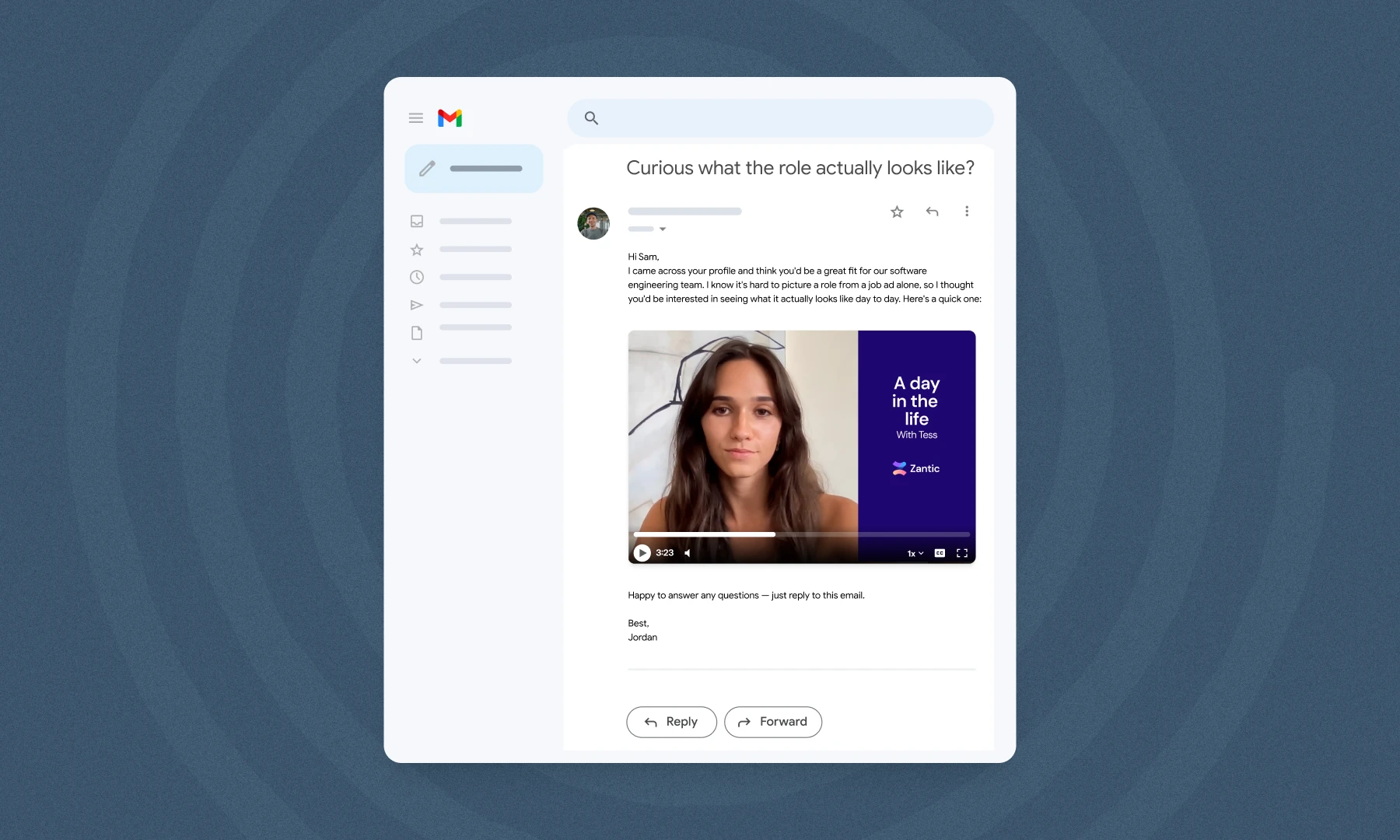
- Videos can be embedded on job listings, careers pages, and LinkedIn.
Example prompt for your team: "Why do you love working iat our museum/gallery?"
Step 2: Define Your Employer Value Proposition (EVP)
You’ve probably crafted a mission for your public audience. But have you defined your internal mission, why people should work for you?
Your Employer Value Proposition (EVP) answers:
- What kind of impact can staff make?
- What’s your working culture actually like?
- What do people grow into after 1, 3, or 5 years?
- How do you support wellbeing and creativity?
Tip: Involve current employees in building your EVPs, by asking them:
- Why did you join?
- Why are you still here?
- What surprised you?
Write your EVP in plain language and avoid overused phrases like “dynamic team” or “fast-paced environment.”
Arts professionals want truth, not spin.
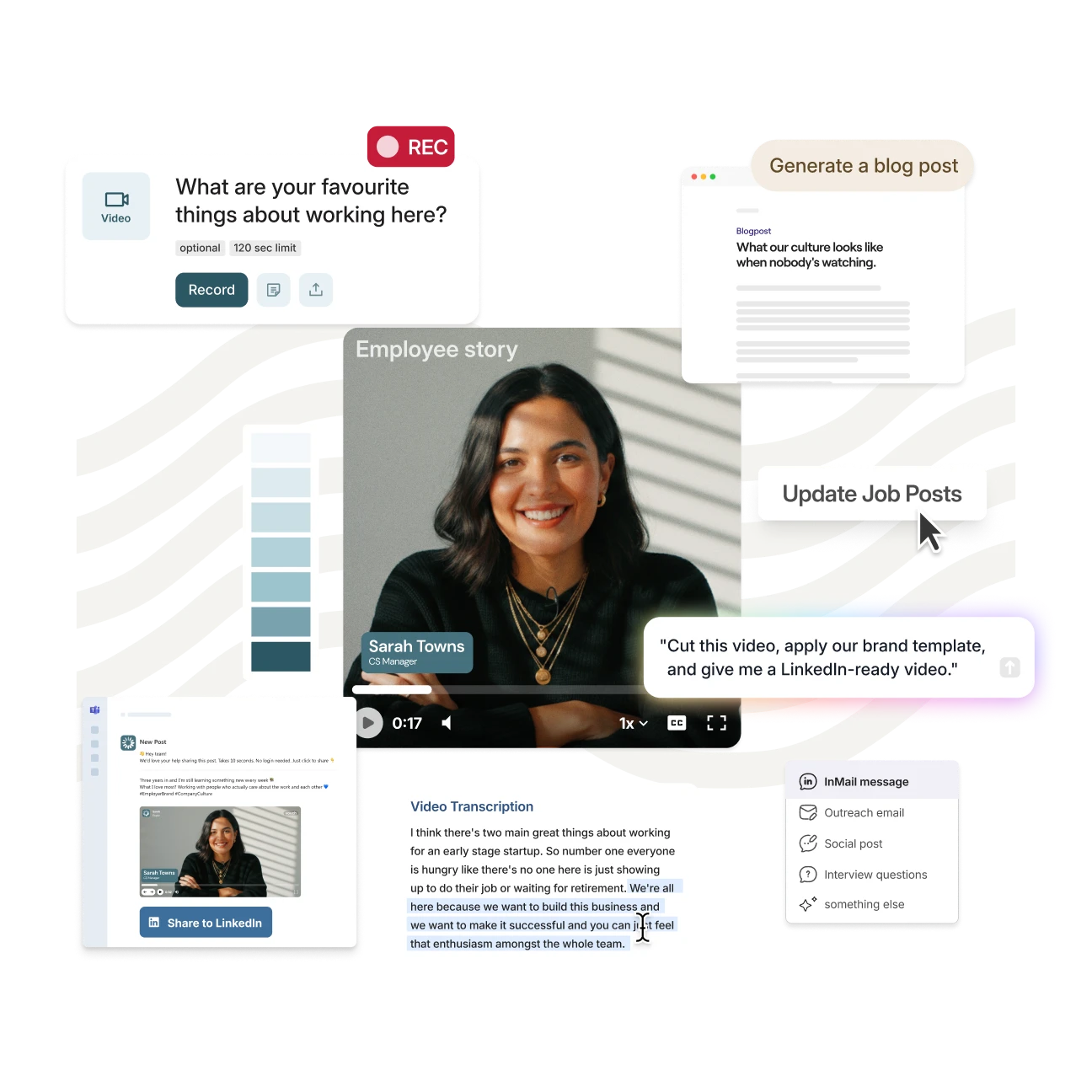
Bring your employer brand to life
- Empower employees’ storytelling
- Transform careers sites with video
- AI-driven video editing
- Publish videos anywhere
Step 3: Build a Careers Page That Reflects Your Culture
Your careers page is your storefront for prospective staff.
In the arts sector, people often explore careers pages with equal curiosity as the exhibitions, so treat it like a curated experience.
Key content to include:
- Videos from staff using Vouch
- Photo essays of daily work
- Team spotlights (e.g., conservators, digital archivists)
- Open roles with clear pay scales
- Step-by-step of the hiring process
- A diversity and inclusion statement that’s not just boilerplate
Example of great careers page you can use a template includes: Tate Careers
Step 4: Show Your Values In Action
Anyone can say “we value inclusion” or “we care about education.” But employer branding means showing, not telling.
Ways to bring your values to life:
- Post about employee, led initiatives, e.g. accessibility improvements, local community programs.
- Share staff blogs or videos discussing how they’ve made a difference.
- Highlight collaborations, internal exhibitions, or mentorship programs.
Your audiences and job seekers want to work in places where values aren’t just posters on a wall.
Step 5: Use LinkedIn and Niche Platforms Strategically
Not all art professionals hang out on traditional job boards. You need to meet them where they already are.
Use LinkedIn for:
- Sharing behind-the-scenes content
- Celebrating internal promotions
- Promoting job openings with real team voices
Along with the big employment platforms, also post your job to:
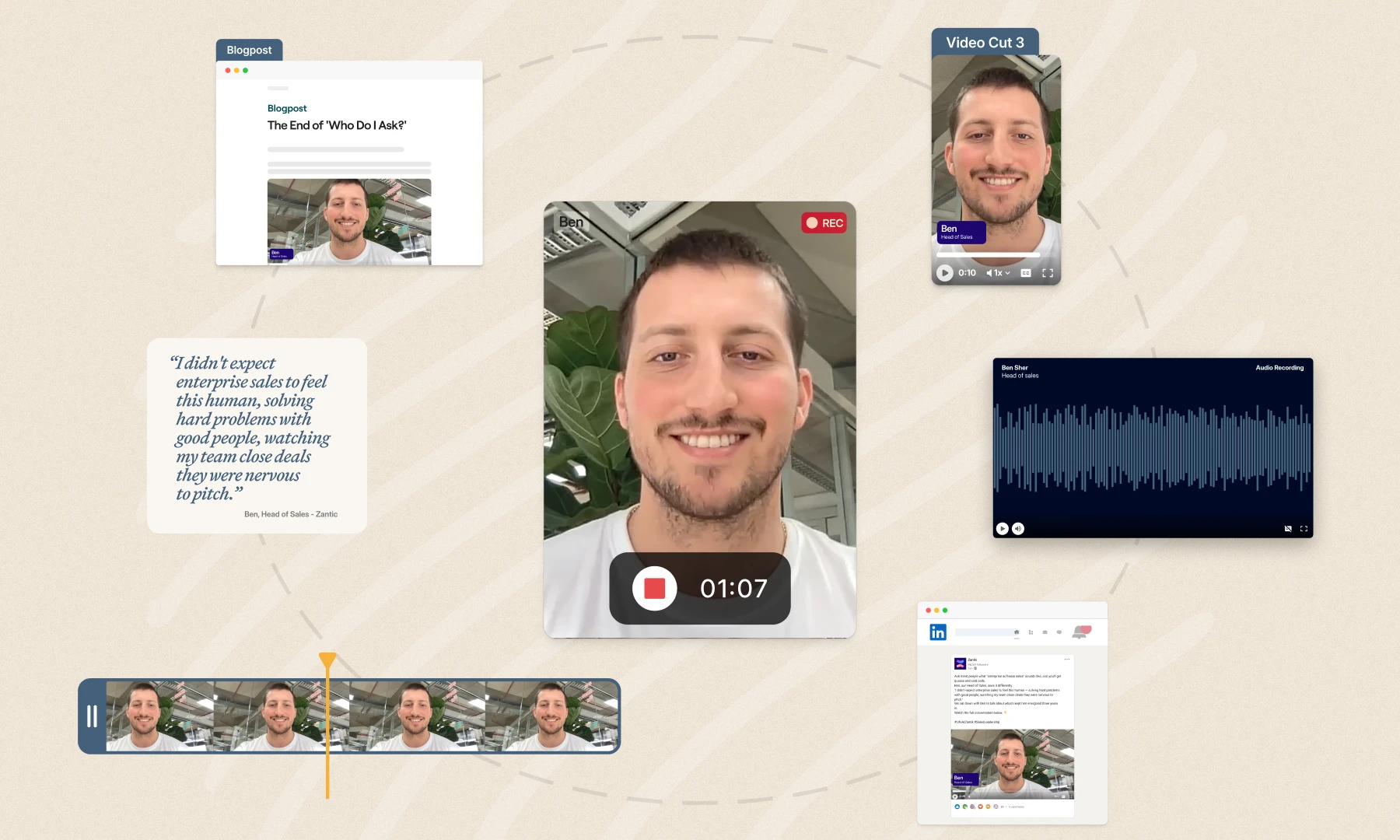
Bonus tip: Use Vouch videos in LinkedIn posts, they get higher engagement than plain text.
Step 6: Be Transparent About Your Career Growth
Many arts professionals leave due to lack of progression, and your employer brand needs to address this head-on.
Ways to be transparent includes:
- Include career path examples on job descriptions.
- Share internal promotion stories.
- Offer upskilling programs and talk about them publicly.
Retention improves when people know there’s somewhere to grow to.
Step 7: Measure, Improve, Repeat
You can’t improve what you don’t measure and employer branding is no exception to this rule.
Track these metrics to start with:
- Where applicants and resumes are coming from
- Drop-off rates in your hiring process
- New hire retention at 6 and 12 months
- Candidate feedback and Glassdoor reviews
- Internal engagement and promotion rates
Use this data to:
- Adjust your employer branding messaging
- Revisit your EVPs to check they are inline with your mission and culture
- Improve your candidate experience
Who Are The Top 10 Art Institutions Globally?
1. The Louvre, France
Employees: ~2,100, Revenue: €130M, https://www.louvre.fr
2. The British Museum, UK
Employees: ~900, Revenue: £120M, https://www.britishmuseum.org
3. The Metropolitan Museum of Art, USA
Employees: ~2,000, Revenue: $307M, https://www.metmuseum.org
4. The Getty, USA
Employees: ~1,400, Revenue: $350M, https://www.getty.edu
5. Tate, UK
Employees: ~1,300, Revenue: £129M, https://www.tate.org.uk
6. Rijksmuseum, Netherlands
Employees: ~600, Revenue: €60M, https://www.rijksmuseum.nl/en
7. The Museum of Modern Art (MoMA), USA
Employees: ~800, Revenue: $150M, https://www.moma.org
8. V&A Museum, UK
Employees: ~1,000, Revenue: £88M, https://www.vam.ac.uk
9 Smithsonian Institution, USA
Employees: ~6,300, Revenue: $1.6B, https://www.si.edu
10. National Gallery of Art, USA
Employees: ~1,000, Revenue: $170M, https://www.nga.gov
Related Blog Articles from Vouch
For more insights on using video and employee storytelling, check out:
- How to Create Recruitment Videos That Actually Work
- Storytelling Tips for Talent Acquisition
- Why Candidate Experience is Everything
FAQs
What is employer branding in the arts?
It’s how an institution is perceived as an employer, including its culture, values, and workplace experience.
Why do museums and galleries need employer branding?
To attract top talent, retain key staff, and stay competitive in a changing labor market.
How can smaller institutions compete with bigger names?
By emphasizing values, community impact, flexibility, and access to leadership, things big institutions can’t always offer.
What are signs of a weak employer brand?
Low application numbers, high turnover, negative reviews, and difficulty filling roles.
How can video improve employer branding?
Video humanizes the workplace, builds trust, and increases candidate engagement, especially on social platforms.
What should we include in job postings to improve appeal?
Clear job expectations, pay ranges, benefits, team culture, and career path examples.
How often should employer branding content be updated?
At least every 6–12 months, or after major internal changes, e.g., leadership, policies, strategic shifts.
Summary
In a sector driven by passion, purpose, and creativity, your employer brand should reflect the same values you bring to exhibitions and education programs.
Don’t settle for generic job ads or outdated hiring processes.
People don’t just want to work in the arts, they want to be part of the arts:
- Use tools like Vouch to tell authentic stories.
- Build a strong EVP rooted in real employee experience.
- Share, measure, improve—and keep showing up as an employer of choice.
See Why Employer Branding Managers Love Vouch
Loved by companies like Canva, Nike, Cisco, HubSpot, Amazon, and more, tools like Vouch make employer branding in your business remarkably easy.
Book a Vouch demo today and chat with an employer branding expert about your business needs.

You might also like

Elevate Your Brand Today With Vouch
Discover how Vouch can accelerate talent acquisition while helping you stay on-brand.