The gig economy runs fast and lean, but, that comes with a trade-off of higher turnover, inconsistent quality -and a lot of competition for top-tier workers.
According to research 16% of Americans have earned money from an online gig platform, and most of them work for more than one company.
Loyalty is rare, so how do you stand out?
The answer is building a strong employer brand, which is the sum of how people perceive working with you - and there are clear logical steps for doing this.
So let's get started with a simple guide for Employer Branding For Gig Economy Companies:
Step 1 - Use Vouch to Share Real Stories from Your Workers
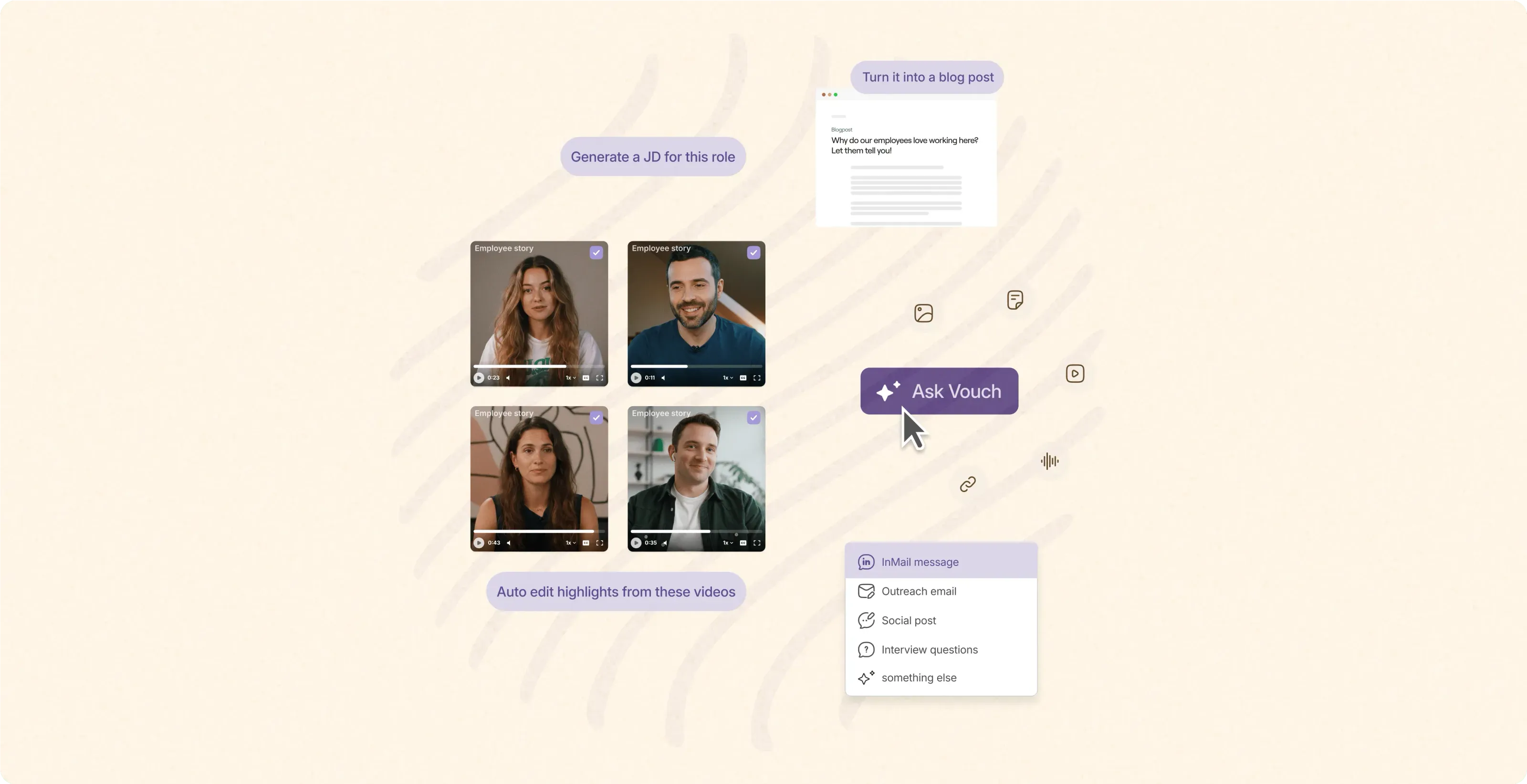
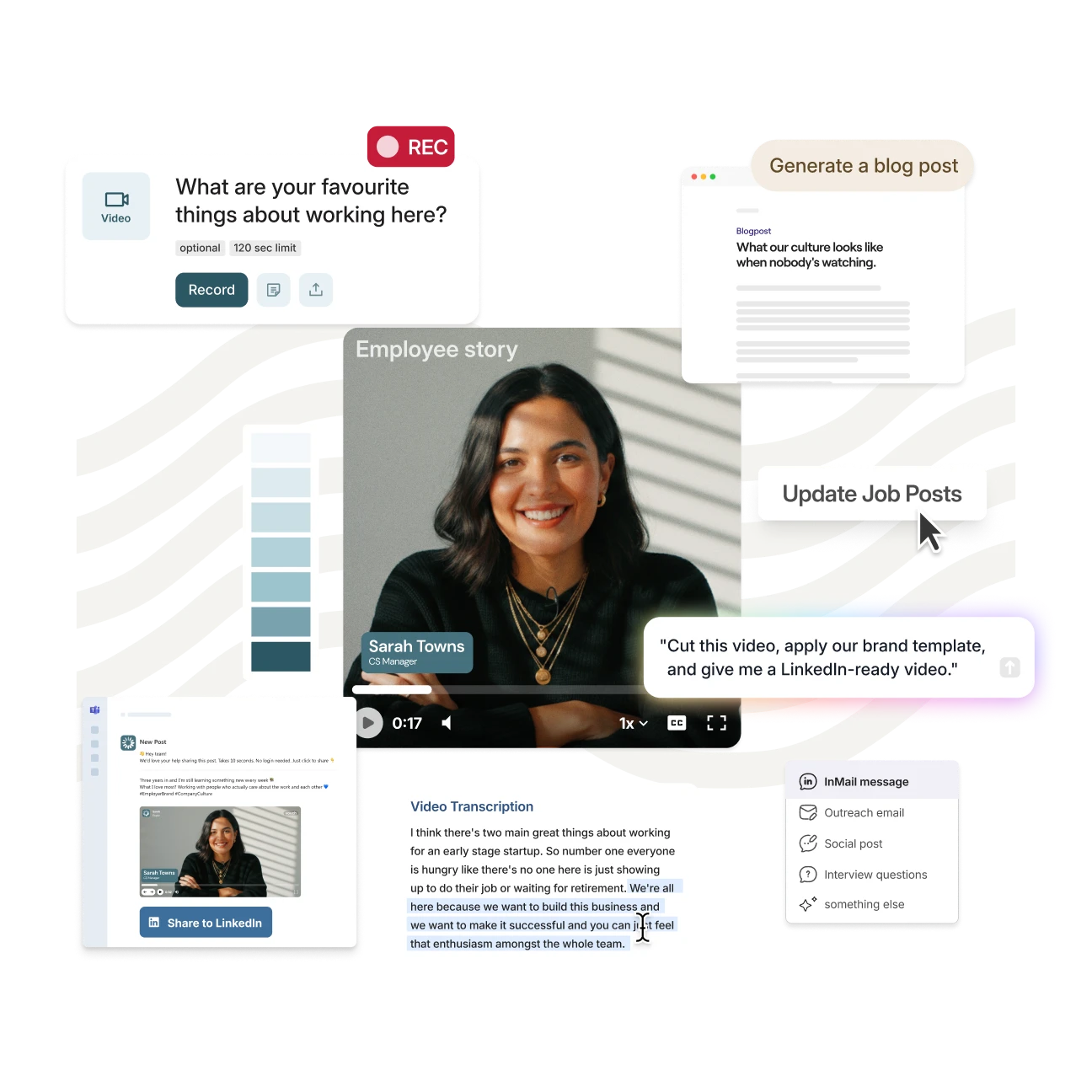
Before doing anything else, use Vouch, a video testimonial platform that makes it easy to capture and share authentic stories from your workforce.
In the gig economy, trust comes from hearing directly from workers, not polished marketing:
- Vouch is trusted by brands like Canva, HubSpot, and Culture Amp
- You can collect and share real feedback from freelancers and contractors
- These videos become powerful tools in your onboarding, recruiting, and brand storytelling
Check out how companies are using Vouch here: https://vouchfor.com/customers
Step 2 - Clarify Your Employer Value Proposition (EVP)
Your EVP answers the question: Why should someone choose to work with your platform instead of the others out there?
Gig workers want more than money, they care about:
- Clear terms and pay
- Scheduling flexibility
- Transparent rules
- Opportunities to learn or grow
- Respect and recognition
Keep your EVP simple, honest, and visible on your website, onboarding materials, and every gig listing you post.
Bring your employer brand to life
- Empower employees’ storytelling
- Transform careers sites with video
- AI-driven video editing
- Publish videos anywhere
Step 3 - Be Transparent About Pay and Performance Metrics
According to the World Economic Forum, many gig workers leave platforms due to unclear pay structures or feeling that algorithms treat them unfairly.
Build trust by:
- Showing real examples of what workers can expect to earn
- Explaining how pay is calculated
- Sharing how ratings, bonuses, and penalties work
- Avoiding surprise changes to fees or terms
Workers don’t mind working hard - they just don’t want to be left in the dark.
Step 4 - Improve Your Onboarding with Video
You can’t afford a complicated sign-up process. Many gig workers quit before even finishing onboarding.
Here’s how to improve your onboarding:
- Use Vouch videos from current workers to show what to expect
- Break onboarding into short, easy-to-follow steps
- Offer live chat or email support during setup
- Send reminder nudges if a new worker hasn’t completed signup
According to Glassdoor, strong onboarding improves new hire retention by up to 82% - it's that important.
Step 5 - Build Community and Recognition into Your Platform
Gig work can feel isolating. Workers often feel invisible to the companies they work for. Creating a sense of community keeps people coming back.
What works when building a community:
- Create private groups or forums for workers to connect
- Create employee spotlight videos from your workers
- Highlight top performers in newsletters or on social media
- Host occasional in-person or virtual meetups
- Celebrate milestones like 1-year anniversaries or top-rated gigs
A Harvard Business Review study found that recognition and belonging were key drivers of gig worker motivation, sometimes even more than money.
Step 6 - Collect and Respond Honestly to Feedback
If you’re not asking your gig workers how they feel, you’re missing the biggest signal for what’s working and what’s broken.
How to collect feedback:
- Use Vouch to capture employee spotlight videos
- Track NPS (Net Promoter Score) among your workforce
- Act on feedback and share what changes you’re making
- Make it easy for workers to report issues without fear of punishment
Freelancers talk to each other and positive feedback travels fast, just like frustration.
Step 7 - Show Your Values with Action
Today’s workforce - especially younger freelancers - care about working with companies that act ethically and support bigger causes.
A Cone Communications study found that 76% of millennials consider a company’s social and environmental commitments before deciding to work with them.
Consider these steps:
- Support worker safety and fair treatment
- Be clear about your position on diversity and inclusion
- Reduce bias in your algorithmic decision-making
- Offer resources for mental health or burnout
If you care about your people, let them know - and show them.
Who Are The Top 10 Gig Economy Companies Globally?
- Uber - Ride-sharing leader with over 30,000 employees worldwide. 2024 revenue: $37B. https://www.uber.com
- DoorDash - On-demand food delivery with 16,800 employees. Revenue: $9B. https://www.doordash.com
- Airbnb - Global home-sharing platform with 6,800 employees. Revenue: $10.8B. https://www.airbnb.com
- Upwork - Freelance job marketplace with 600+ employees. Revenue: $620M. https://www.upwork.com
- Fiverr - Digital services freelance platform. 870 employees. Revenue: $351M. https://www.fiverr.com
- Instacart - Grocery delivery with over 3,000 employees. Revenue: $2.5B+. https://www.instacart.com
- Lyft - Ride-sharing company with 4,400 employees. Revenue: $4.4B. https://www.lyft.com
- TaskRabbit - Flexible task services provider owned by IKEA. 1,000+ employees. https://www.taskrabbit.com
- Toptal - High-end freelance talent network. ~1,000 employees. https://www.toptal.com
- 99designs by Vista - Global design marketplace. Part of VistaPrint. https://99designs.com
FAQs
What is employer branding for gig economy businesses?
It’s how your company is perceived by freelancers, gig workers, and contractors including trust, fairness, and worker experience.
Why does employer branding matter in gig work?
Strong employer branding attracts better workers and keeps them loyal. It also lowers churn and improves reputation on forums and review sites.
How can I use video to improve employer branding?
Platforms like Vouch allow you to collect real stories from workers, creating relatable and credible content that builds trust.
What are common mistakes in gig employer branding?
Over-promising, poor onboarding, ignoring feedback, and treating workers like replaceable assets.
How can I show fairness in pay?
Be clear about how pay is calculated, avoid hidden fees, and offer real earnings examples by city or role.
What makes a great onboarding experience for gig workers?
Simplicity, speed, human support, and honest previews of the job. Videos and help guides work well.
How often should I update my employer branding content?
Every few months or after major changes to your platform, pay, or policies. Keep it fresh and reflective of current worker experiences.
Summary
Building a strong employer brand in the gig economy doesn’t require a massive marketing budget. It takes transparency, empathy, and consistency. Start by giving your workers a voice using tools like Vouch, then build on that trust with fair policies and authentic engagement.
Want more hands-on strategies? Dive deeper at https://vouchfor.com/blog or book a Vouch demo today for expert tips on using video in your hiring and retention strategies.
See Why Employer Branding Managers Love Vouch!
Loved by companies like Canva, Nike, Cisco, HubSpot, Amazon and more, tools like Vouch make leveraging video in your business remarkably easy.
Be sure to book a Vouch demo today and chat with a video content expert.

You might also like
.webp)
.webp)

Elevate Your Brand Today With Vouch
Discover how Vouch can accelerate talent acquisition while helping you stay on-brand.