Building a great product or service is only half the challenge.
The other half? Building a great team and culture - and it all starts with building a highly compelling employer brand.
Companies with strong employer branding see 50% more qualified applicants, 28% reduction in turnover, and can cut hiring costs by nearly 50%. The statistics are worth looking into if you haven't already, here is a great guide.
So if you are looking to map out your Employer Branding Framework, below are the steps you can start implementing today.
Let's get started:
Step 1: Use Vouch For Authentic Employer Branding Content
Before anything else, businesses need the tools that help them showcase their culture and current employees.
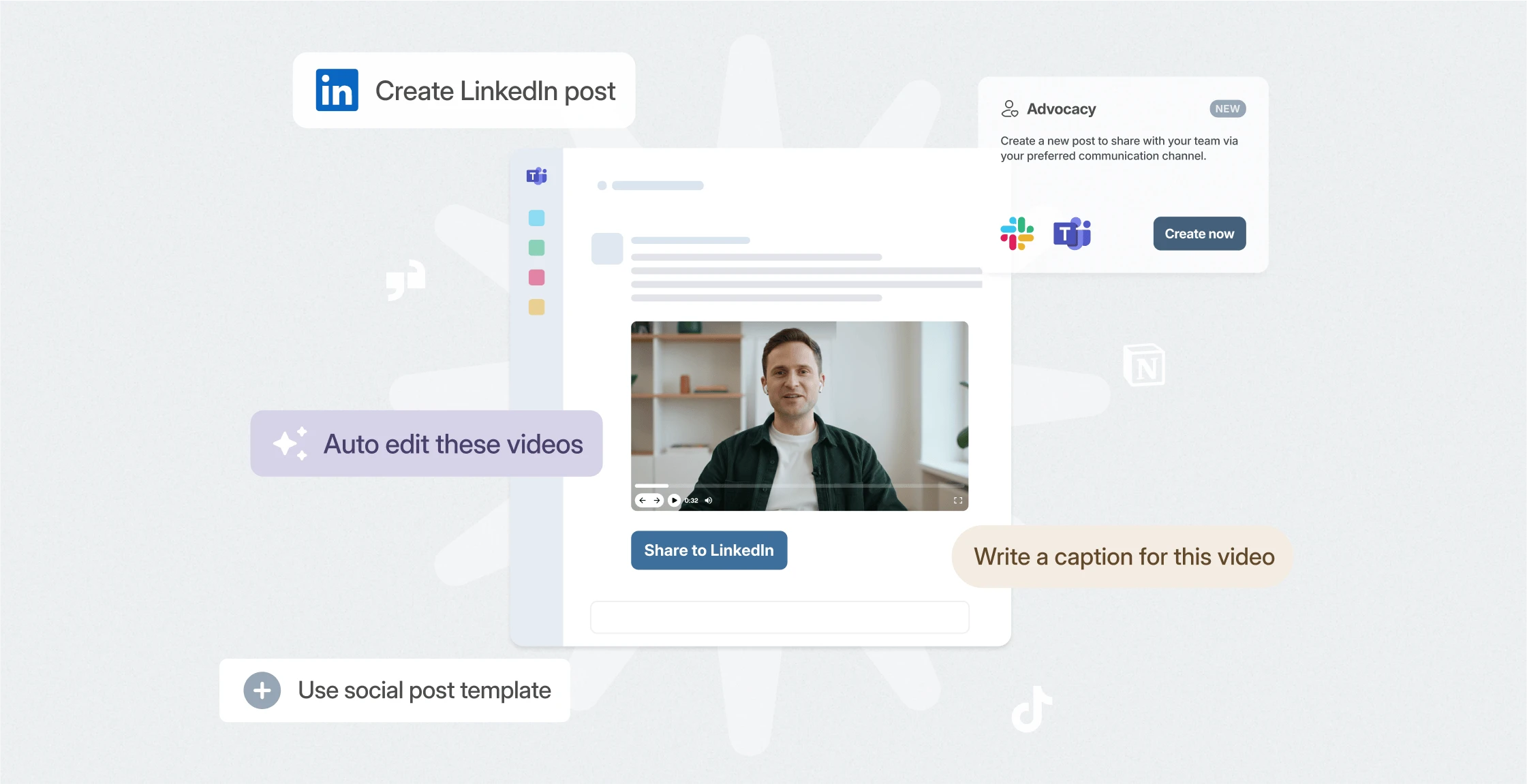
Vouch is a video creation platform trusted by global names like Canva, HubSpot, and Culture Amp, and is built specifically for employer branding.
Vouch helps your company:
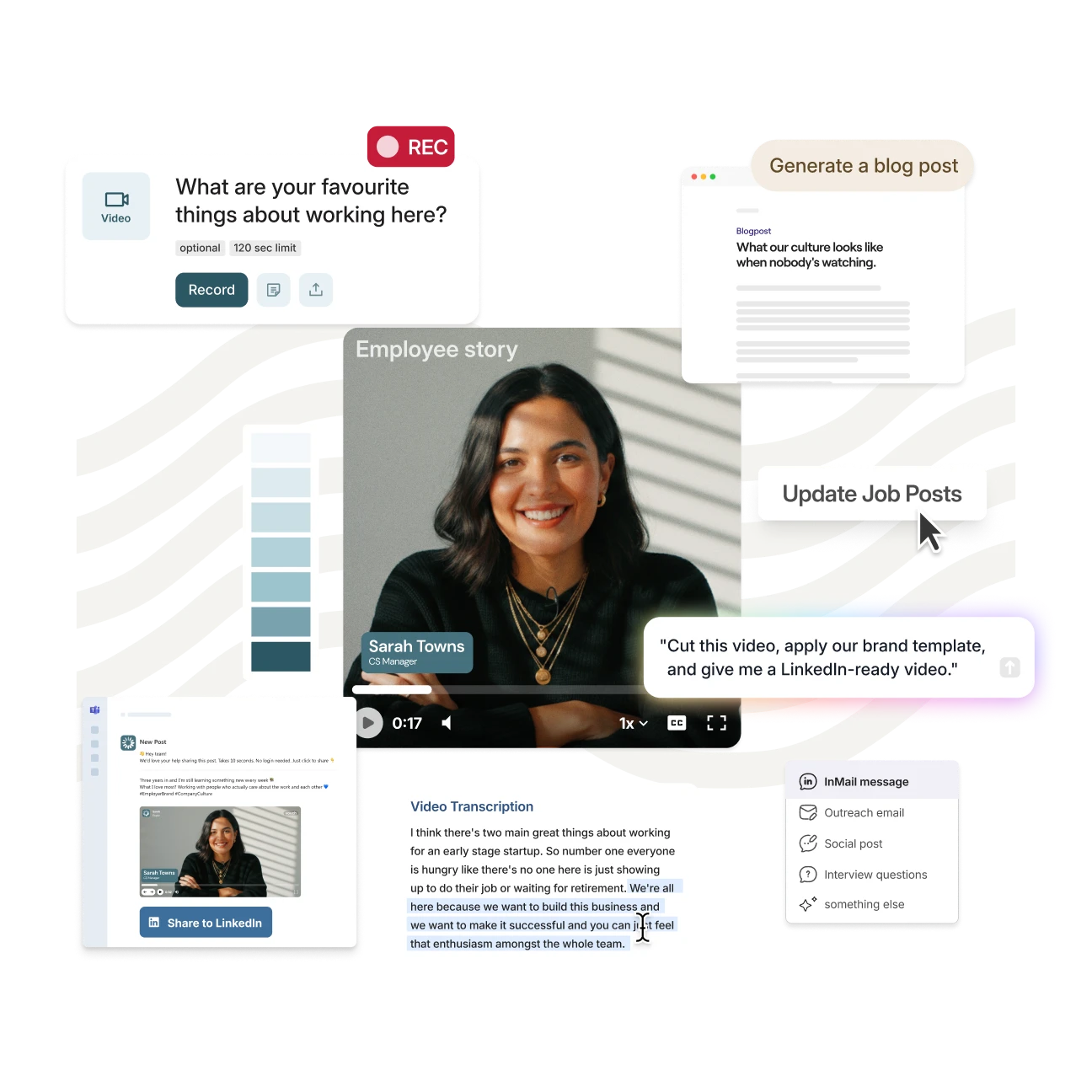
- Capture authentic employee testimonials and spotlight videos
- Create quick video snippets for social media and recruitment sites
- Arm your recruiters with shareable candidate-focused video content
- Highlight your company culture with real faces, not stock images
If you're serious about scaling your employer branding strategy, this is the place to start.
Candidate testimonials captured with Vouch helped Culture Amp increase their offer acceptance rates by 19%.
Step 2: Define Your Employer Value Proposition (EVP)
Your Employer Value Proposition is the reason someone chooses to work for you over a competitor.
Your EVP not just about salary or perks, they go far beyond that.
To define your EVP try:
- Conducting employee listening sessions and company temperature checks
- Survey teams using survey tools like Culture Amp or Officevibe
- Identify what makes your employee experience unique. Here's a neat employee experience guide
- Pin down your brand values, on-site amenities, growth paths, and employee benefits
Write it down. Make it clear, concise, and real.
Tip: Use AI-powered content suggestions such as Vouch AI or tools like Jasper to draft messaging across different content formats and social media channels.
Bring your employer brand to life
- Empower employees’ storytelling
- Transform careers sites with video
- AI-driven video editing
- Publish videos anywhere
Step 3: Build Candidate Personas
Did you know that 75% of job seekers consider an employer’s brand before even applying (LinkedIn).
Effective talent acquisition requires understanding your audience.
Ask yourself:
- Who are your ideal hires?
- What platforms do they use?
- What are their motivations and deal-breakers?
- What are their expectations from company culture?
Create candidate personas for key roles based on this research, and use these personas to guide your content creation, career site messaging, and social media posts.
Step 4: Craft a Career Site That Converts
Your career website is the heart of your employer branding efforts. It's where your brand identity meets candidate action.
To optimize your site:
- Embed video testimonials using tools like Vouch
- Share real stories of employee growth, successes and wins
- Make sure the application process is seamless
- Highlight diversity and inclusion initiatives and employee resource groups
- Include employee-generated content including videos, photos, quotes and social posts
Also remember to check your career page on mobile as over 60% of job seekers apply via mobile devices (Glassdoor).
Step 5: Activate Your Employees as Brand Advocates
People trust people - not logos and platforms like LinkedIn can help you bring your team to the forefront.
Activate employee advocacy by:
- Encouraging social sharing via branded content
- Celebrating milestones on LinkedIn and Instagram
- Creating employee resource groups that contribute content
- Using employee referrals in your recruitment process
Note: Companies with high employee advocacy programs see a 20% increase in retention and 4x more reach on social media.
Step 6: Align Your Employer Brand with Corporate Values
Brand misalignment kills credibility, and you need to be honest about what your employer brand really is.
Your brand image and corporate culture need to reflect the same story across all touchpoints, including:
- Social media content
- Job boards onyour own websites and external ones
- Internal onboarding documents
- External review sites like Glassdoor
Tip: Use employee engagement surveys to track internal alignment and make sure your branding strategy aligns with your corporate values.
Step 7: Develop a Content Strategy for All Channels
Not everyone’s on LinkedIn. Your branding strategy should hit multiple social media channels, like:
- Instagram: Culture + behind-the-scenes
- LinkedIn: Thought leadership + job posts
- YouTube: Team-building activities, day-in-the-life content
- TikTok: Real, short-form stories from employees
And you really need to be using a mix of content formats such as:
- Videos with tools like Vouch
- Blogs and medium style articls
- Graphics and infographics
- Testimonial videos from your current employees
- Day-in-the-life stories
You can see how companies are doing this effectively in Vouch’s customer stories.
Step 8: Track Results with Smart Analytics
Data means making better decisions.
Use analytics dashboards like Google Analytics, Vouch’s dashboard, or Sprout Social to measure:
- Time to Hire
- Offer Acceptance Rate
- Drop-off points in the recruitment process
- Top-performing content
- Traffic sources to your career site
Regular performance monitoring tools help adjust strategy in real-time.
Step 9: Streamline the Onboarding Process
Your employer brand doesn’t stop when someone signs the offer.
Create a branded onboarding experience that:
- Introduces your company values and culture
- Includes interactive videos, Vouch works here too
- Offers clear first-week and first-month goals
- Connects new hires to mentors or employee resource groups
Strong onboarding improves employee retention by 82% (Brandon Hall Group).
Step 10: Create a Feedback Loop and Iterate
Finally, your employer branding strategy is never “done.”
Things change - people change - and every business needs to listen and adapt.
How to create a great feedback loop:
- Run quarterly employee engagement surveys
- Hold internal brand alignment workshops
- Review feedback from review sites
- Benchmark against industry standards
Remember: Keep improving. Keep listening. Keep aligning.
Who Are The Top Global Companies With Outstanding Employer Branding?
Here are 10 global companies nailing their corporate branding and employer brand strategies:
- Salesforce
Employees: 70,000+
Revenue: $34.8B
Website - HubSpot
Employees: 7,400+
Revenue: $2.2B
Known for strong culture and transparency
Website - Adobe
Employees: 29,000+
Revenue: $19.4B
Highly rated for diversity and inclusion
Website - Canva
Employees: 4,000+
Privately held, values-first culture
Website - Microsoft
Employees: 221,000
Revenue: $236B
Leads in tech and flexible work culture
Website - Shopify
Employees: 10,000+
Focus on remote-first and employee ownership
Website - Airbnb
Employees: 6,800
Revenue: $8.4B
Values-driven, mission-first
Website - LinkedIn
Employees: 21,000+
Revenue: $15B
Employer brand leader in B2B
Website - Atlassian
Employees: 11,000
Remote-first, inclusive culture
Website - Spotify
Employees: 10,000+
Culture of creativity and inclusion
Website
FAQs
What is an employer branding framework?
An employer branding framework is a structured approach that outlines how a company defines, communicates, and activates its identity as an employer. It gives teams a clear roadmap to attract the right talent and deliver a consistent employee experience.
Why do companies need an employer branding framework?
Without a framework, employer branding becomes inconsistent and reactive. A strong framework ensures clear messaging, alignment across teams, and a repeatable process for building and maintaining your reputation as an employer.
What are the core components of an employer branding framework?
Most frameworks include research and insights, EVP development, messaging guidelines, content strategy, activation channels, measurement, and continuous improvement. Together, these elements guide both internal and external communication.
How does an employer branding framework support hiring?
A good framework ensures candidates experience the same clear, compelling story from job ad to onboarding. This consistency improves attraction, strengthens trust, and helps recruiters match the right people with the right roles.
How do you build an employer branding framework?
Start by gathering employee insights, reviewing market perception, and assessing your culture. Then define your EVP, create messaging pillars, choose key activation channels, and build a plan for content, recruitment marketing, and ongoing measurement.
How does an employer branding framework improve employee experience?
It aligns internal culture with external messaging, making sure what you promote publicly matches the real employee experience. This alignment boosts trust, engagement, and culture cohesion across the organisation.
What roles or teams should be involved in creating the framework?
Employer brand is cross-functional. HR, marketing, communications, leadership, and sometimes even front-line employees should contribute insights. The best frameworks are built collaboratively and reflect the whole organisation.
How do you activate an employer branding framework?
Activation happens through your careers site, social channels, recruitment campaigns, onboarding, employee storytelling, internal communications, and leadership messaging. Every touchpoint should reflect the same brand story.
How do you measure the success of an employer branding framework?
Track metrics like quality of hire, candidate experience, time-to-hire, retention, engagement scores, employer review ratings, and performance of your recruitment marketing efforts. Regularly review these insights to refine your strategy.
How often should an employer branding framework be updated?
Most companies revisit their framework every 12–24 months — or sooner if they undergo major changes like rapid growth, new leadership, or a shift in strategic direction. Employer branding evolves, so your framework should too.
Related Reads from the Vouch Blog:
- How to Capture Powerful Employee Testimonials
- Boost Your Employer Brand with Video
- Creating a Winning Candidate Experience
- How Canva Uses Vouch to Supercharge Their Hiring
See Why Employer Branding Managers Love Vouch!
Loved by companies like Canva, Nike, Cisco, HubSpot, Amazon and more, tools like Vouch make leveraging video in your business remarkably easy.
Be sure to book a Vouch demo today and chat with a video content expert.

You might also like
.webp)
.webp)

Elevate Your Brand Today With Vouch
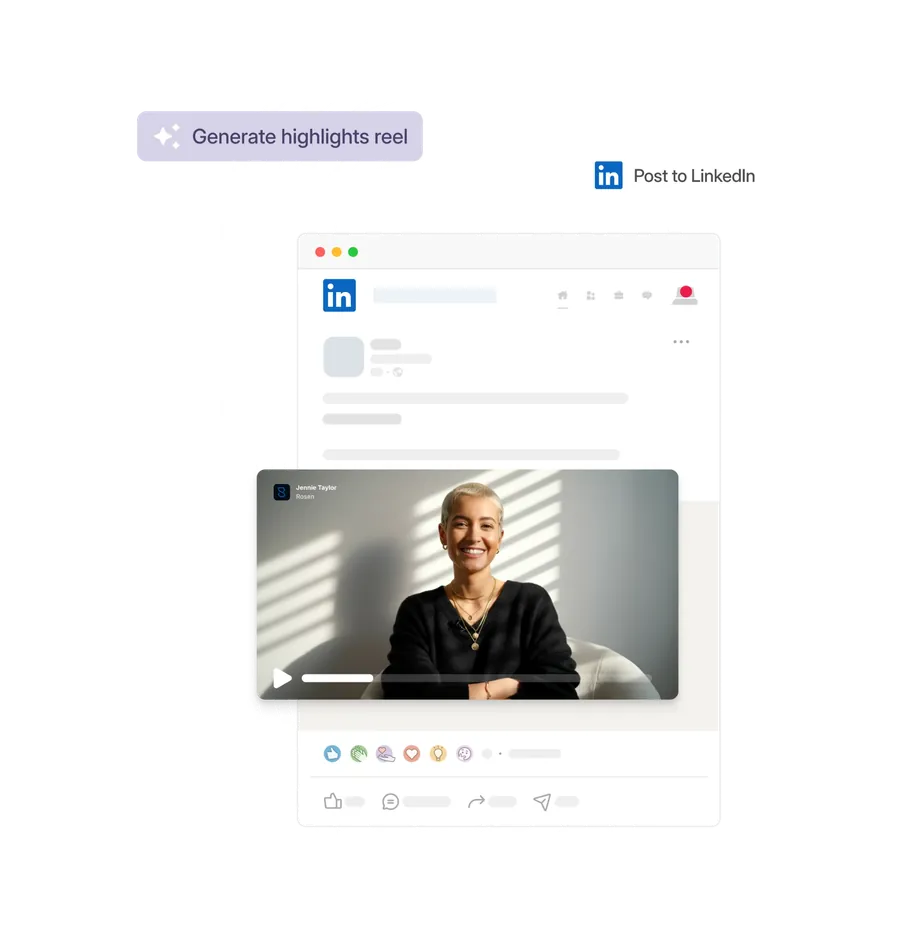
Discover how Vouch can accelerate talent acquisition while helping you stay on-brand.