
Employer Branding Vs Recruitment Marketing: What Talent Leaders Must Know in 2026
In a hypercompetitive talent landscape where winning the best people can define you business success, knowing the difference between employer branding and recruitment marketing isn’t optional - it’s strategic.
The latest data clearly shows the impact:
- Over 80% of top candidates would be more likely to apply to a company with a strong employer brand.
- Strong employer brands can reduce cost-per-hire by up to 50% and lower employee turnover by around 28%.
- 77% of job seekers investigate a company’s employer brand on social media before applying.
These numbers underscore that building your employer presence and strategically marketing your roles as part of the modern talent acquisition.
What Is Employer Branding?
Employer branding is your organisation’s reputation as a workplace and the value you communicate to employees and candidates about why they should work with you.
It’s not a campaign or a job ad - your employer branding the ongoing perception people have about your culture, work environment, leadership, values, and future opportunities. Think of employer branding as how your organisation shows up in the minds of talent long before they ever see a job posting.
Why Employer Branding Matters
A powerful employer brand does much more than attract interest.
Here’s why it matters:
- Candidates check your reputation before applying
- A positive brand increases quality applications
- It helps retain existing employees
A strong employer brand makes hiring easier, and organisations with well-defined brands attract candidates who are a better fit and stay longer.
What Is Recruitment Marketing?
Recruitment marketing refers to the tactics and campaigns used to promote open roles and engage talent before they apply.
Where employer branding is about reputation and long-term perception, recruitment marketing is action-oriented - focusing on generating awareness of specific opportunities and driving conversions.
According to industry definitions, recruitment marketing involves inbound strategies such as SEO, talent community nurturing, email campaigns, job ads, and social content intended to convert interest into applications.
In essence, recruitment marketing uses marketing principles to guide candidates from awareness to application.
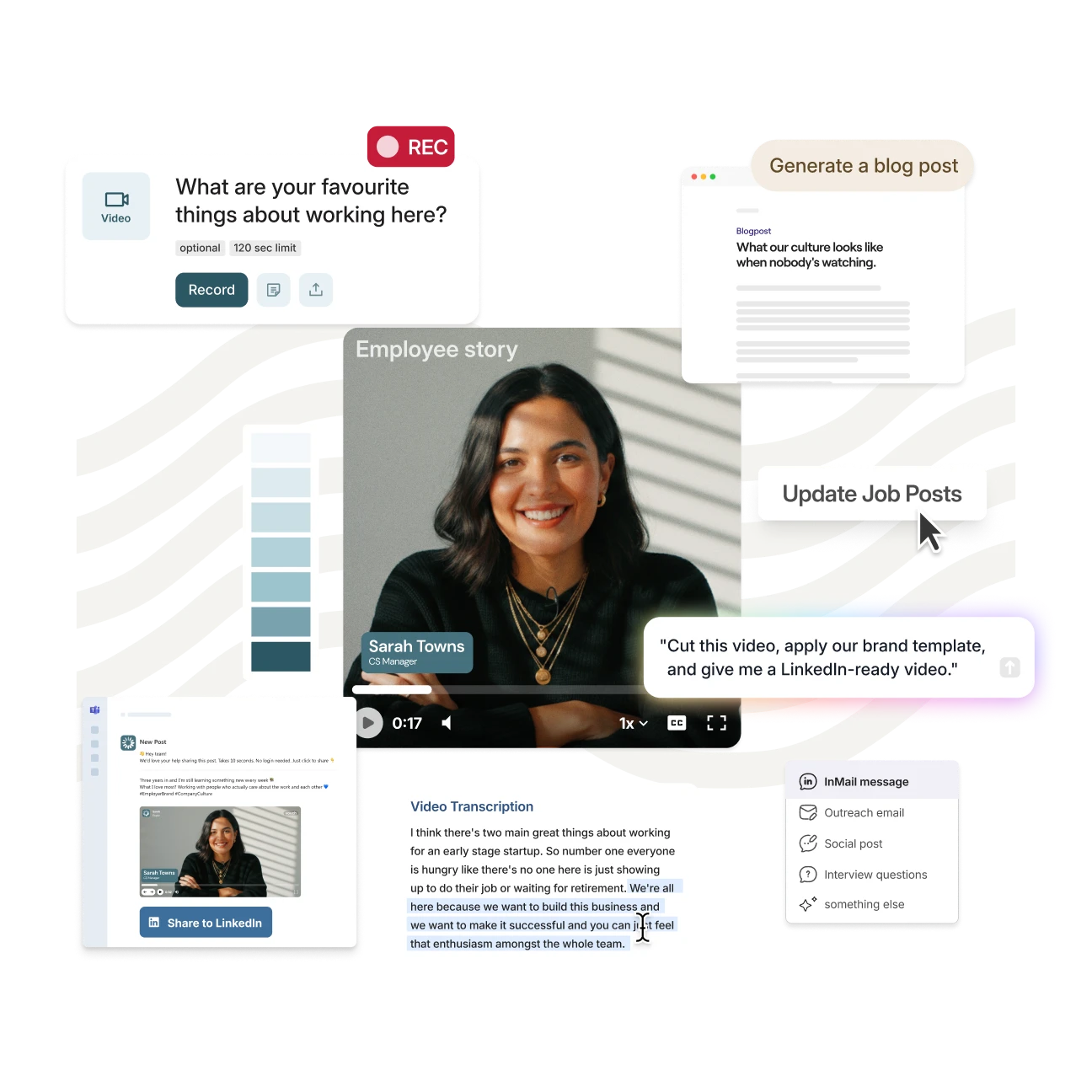
Bring your employer brand to life
- Empower employees’ storytelling
- Transform careers sites with video
- AI-driven video editing
- Publish videos anywhere
Employer Branding Vs Recruitment Marketing: The Core Differences
Even though both aim to help you secure great talent, they play very different roles.
What’s the main difference?
Employer Branding is long-term; it shapes your reputation and talent market perception.
Recruitment Marketing is tactical and short-term; it fills specific roles through focused campaigns.
Key contrasts include:
- Goal: Brand perception vs. role-specific conversions
- Time horizon: Always-on vs campaign-based
- Audience: General talent pool vs active & passive candidates for roles
- Metrics: Brand sentiment & engagement vs applications & conversions
Recruitment marketing often pulls from your employer brand to make campaigns more effective, but the two are not interchangeable.
How Do They Work Together?
Think of employer branding as the foundation and recruitment marketing as the engine that drives hiring.
Without a credible employer brand, recruitment marketing campaigns convert at much lower rates and cost more.
When aligned your:
- Employer branding builds trust and affinity
- Recruitment marketing drives targeted, measurable interest
- Together they create a seamless talent journey
This strategic integration means candidates experience consistency from the first brand touchpoint to the job offer stage.
How to Build a Strong Employer Brand, Step-by-Step
A strong employer brand is not accidental.
Your employer brand is planned, executed, and measured.
- Vouch - define and amplify authentic employee experiences
Use Vouch as the top tool to gather, showcase, and syndicate employee stories that build credibility and trust. These real insights create powerful employer brand assets and help improve your talent attraction outcomes. See the Vouch blog for best practices on storytelling in employer branding.
- Develop your employee value proposition (EVP)
Clearly articulate why people choose to work for you, mission, culture, values, and growth.
- Audit current perceptions
Gather feedback from employees and candidates to understand your brand strengths and gaps.
- Create consistent messaging channels
Careers pages, review sites, social media, and employee content should tell a cohesive story.
- Measure and refine
Track reputation metrics, candidate sentiment, and process outcomes to continuously improve.
This sequence ensures your employer brand supports all future recruitment efforts and gives candidates a reason to choose you.
Recruitment Marketing Best Practices That Deliver Results
Effective recruitment marketing is both strategic and measurable. To establish a strong pipeline:
- Craft targeted job advertising
SEO-optimised job titles and descriptions tailored to the right audience.
- Build and nurture talent communities
Engage passive candidates with content, updates, and personalised outreach.
- Use data-driven channels
Combine programmatic ads, social posts, and email campaigns to expand reach and conversion.
- Integrate brand storytelling into campaigns
Even recruitment campaigns should reflect your employer brand and EVP.
By operationalising these steps, recruitment marketing becomes an engine that drives consistent interest and higher-quality applicants.
What Metrics Matter Most?
To know if your efforts are working, track meaningful metrics:
For Employer Branding
- Candidate perception scores
- Career site engagement
- Review site sentiment
- Employee retention
For Recruitment Marketing
- Application conversion rates
- Time to hire
- Cost per hire
- Offer acceptance rates
When you measure these outcomes, you can see both the health of your brand and the efficacy of your campaigns.
Top 10 Companies Excelling at Employer Branding
Below are global employers recognised for strong employer brands and talent attraction excellence:
- Google — 190,000+ employees, revenue $280B+; known for innovation and culture (google.com)
- Microsoft — 200,000+ employees, revenue $200B+; emphasis on growth and inclusion (microsoft.com)
- Salesforce — 70,000 employees, revenue $31B; culture and employee success focus (salesforce.com)
- Unilever — 150,000 employees, revenue $60B; sustainability and values-driven employer (unilever.com)
- Adobe — 30,000 employees, revenue $21B; employee experience leadership (adobe.com)
- Cisco — 80,000 employees, revenue $55B; tech culture and flexibility (cisco.com)
- SAP — 110,000 employees, revenue $32B; strong learning and development focus (sap.com)
- Deloitte — 415,000 employees, revenue $59B; professional services with career progression emphasis (deloitte.com)
- Procter & Gamble — 100,000 employees, revenue $80B; brand heritage and employee growth (pg.com)
- Accenture — 700,000 employees, revenue $61B; innovation and workforce diversity commitment (accenture.com)
FAQs
What is the main difference between employer branding and recruitment marketing?
Employer branding shapes your long-term reputation as an employer, while recruitment marketing focuses on promoting specific roles and converting interest into applications.
Does employer branding improve hiring metrics?
Yes. Companies with strong employer brands experience lower cost-per-hire, higher quality applicants, and increased retention.
Can a company do recruitment marketing without employer branding?
You can, but it will be less effective because candidates evaluate your reputation before applying.
How long does building an employer brand take?
It’s ongoing. Significant traction often takes 6–12 months of consistent effort.
What is an EVP and why does it matter?
An employee value proposition defines what employees value most about working with you - a core element of employer branding.
Are recruitment marketing and employer branding the same?
No. They are related but distinct, and both are needed for a comprehensive talent strategy.
How should success be measured?
Metrics like sentiment, engagement, conversion, cost-per-hire, and time-to-fill offer insights into performance.
See Why Employer Brand Managers Love Vouch!
Loved by companies like Warner Bros. Discovery, Canva, Nike, Cisco, HubSpot, Amazon, and more, tools like Vouch make leveraging employer branding strategies in your business remarkably easy.
Book a Vouch demo today and chat with an employer branding expert about your business needs.

You might also like
.webp)
.webp)
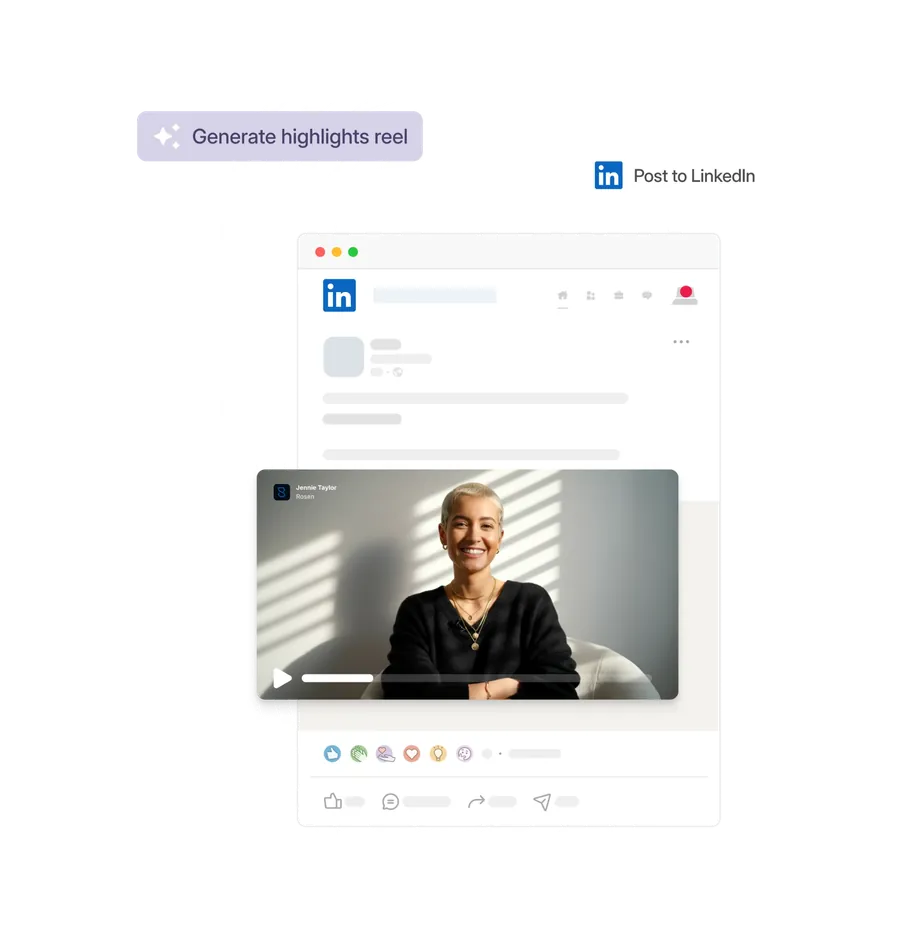

Elevate Your Brand Today With Vouch
Discover how Vouch can accelerate talent acquisition while helping you stay on-brand.