
In 2026, political organizations face more hiring challenges than ever before.
Political organizations need skilled, purpose-driven people who are aligned with their mission - but you're also competing with NGOs, government agencies, and the private sector.
In this guide, we break down exactly how to build an employer brand that helps you hire top talent, and just as importantly, retain them for much longer.
This article is for HR teams, campaign managers, and internal recruiters working in political or advocacy organizations.
So let get started:
Why Does Employer Branding Matter In Politics In 2026?
The world has changed - and so have expectations from candidates. The biggest change, especially amongst younger people, is that they are no longer willing to separate their work from their values.
According to LinkedIn’s Global Talent Trends report, 86% of Gen Z and Millennials want to work for companies aligned with their beliefs.
For political organizations, this is both a challenge and a major opportunity.
And this is where you can use your Employer Brand to:
- Attract highly passionate, party aligned talent
- Retain skilled employees in a high-turnover field
- Improve your entire team's morale and performance
- Build a resilient and recognizable internal culture
A Step-by-Step Guide To Employer Branding For Political Organizations
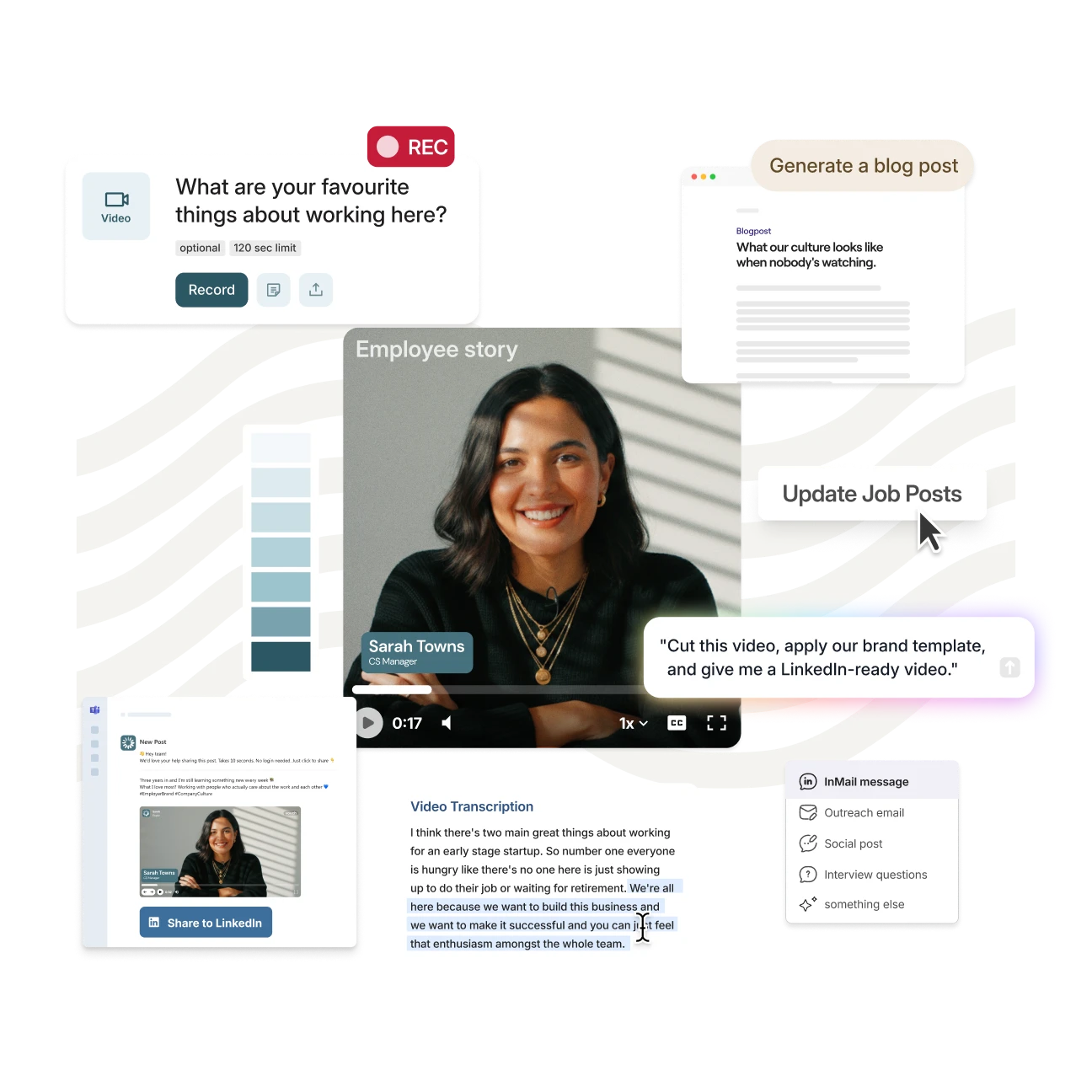
Step 1. Let Your Team Tell Their Story With Vouch
The first step is simple and powerful, try using Vouch.
Vouch is an authentic video collection tool that lets you to collect short videos from your staff, volunteers, and leaders.
Here's the kind of content that works well:
- Why they joined your mission
- What a day looks like on the inside
- What keeps them motivated
- How they’ve grown in their role
When you have this authentic content, you can use on your careers page, social media channels like LinkedIn, emails, presentations and more. Political organizations benefit from real human stories because trust and transparency is so crucial in politics.
Step 2. Define Your Internal Brand Values
Most political organizations already have external messaging nailed down, but internally, your brand has to go deeper.
Define your employee value propositions (EVPs):
- Why should someone work here, beyond just believing in the cause?
- What does your organization offer that’s unique?
- How do you support growth, inclusion, and well-being?
Ask your current team for input via anonymous surveys or employee spotlight videos.
Once you have the content, make sure your EVPs are visible across:
- Your careers pages
- Your job descriptions
- Your Internal onboarding processes
- Your team meetings and events
Bring your employer brand to life
- Empower employees’ storytelling
- Transform careers sites with video
- AI-driven video editing
- Publish videos anywhere
Step 3. Build a High-Trust Candidate Experience
Many political organizations unintentionally turn candidates off.
The reasons is simple, outdated candidate experiences can be clunky, outdated, or overly rigid hiring processes.
Here’s how to fix your candidate experience:
- Aim to keep applications under 10 minutes
- Offer transparency on timelines, expectations, and salaries
- Give interview feedback, even if they’re not hired
- Let candidates meet team members and ask culture questions
According to Glassdoor, 58% of job seekers say the candidate experience reflects how a company treats its people.
Want to improve your hiring journey? Check this guide from Vouch.
Step 4. Showcase Your Purpose, Not Just Politics
A political org’s cause might feel clear internally, but to candidates on the outside, it might need more context.
To showcase your purpose, use your content channels to show:
- What your work looks like in action
- Who your missions impacts, with real human stories
- How success is measured beyond elections or policy wins
- What long-term change you’re committed to
In summary: It’s less about politics, more about creating and promoting a shared purpose.
Step 5. Make Your Careers Page Stand Out
Here’s what a good political careers page should include:
- A video banner featuring employee testimonials
- Your Mission, vision, and culture values
- Clear job openings with realistic expectations
- Photos from events, behind-the-scenes work
- Staff stories and authentic interviews
Even small political organizations can make a big impression here, just remember to keep it human and updated.
Step 6. Leverage Social Proof Across Third-Party Sites
Your employer brand isn’t just on your website.
People and candidates are researching you across:
- Glassdoor
- X (formerly Twitter)
- Reddit forums
- Industry forums
- Channels you might not even know about
Tip: Encourage employees to leave genuine reviews, share their wins, and interact with others online.
Step 7. Track The Right Employer Brand Metrics
You can’t fix what you can’t measure.
Key employer brand metrics for political orgs:
- Time to fill roles
- Retention rates, especially post-campaign or election cycles
- Employee net promoter score (eNPS)
- Social media engagement on culture posts
- Career page bounce rate and time on page
Also remember to use Google Analytics, ATS reports, and engagement platforms to pull these numbers monthly or quarterly.
Who Are The Top 10 Political and Advocacy Organizations Globally?
Here’s a plain text list of major political or political-adjacent organizations with strong employer brands and large global teams:
- United Nations (UN)
Intergovernmental org focused on peace, human rights, and development
Employees: ~44,000, Revenue: ~$3B+
Website: https://www.un.org
- European Commission
Executive arm of the EU managing policies, strategy, and funding
Employees: ~32,000, Revenue: Budget of €185B in 2025
Website: https://ec.europa.eu
- Human Rights Watch
Global org focused on human rights advocacy and research
Employees: ~550, Revenue: ~$90M (2023)
Website: https://www.hrw.org
- The Brookings Institution
Political think tank influencing global policy and economics
Employees: ~500, Revenue: ~$120M
Website: https://www.brookings.edu
- The Heritage Foundation
U.S.-based conservative think tank influencing public policy
Employees: ~250, Revenue: ~$90M
Website: https://www.heritage.org
- EMILY’s List
Political action committee supporting pro-choice Democratic women
Employees: ~200, Revenue: ~$90M
Website: https://www.emilyslist.org
- MoveOn
Progressive political advocacy and fundraising organization
Employees: ~150, Revenue: ~$45M
Website: https://www.moveon.org
- The Sierra Club
Environmental advocacy organization involved in political action
Employees: ~800, Revenue: ~$140M
Website: https://www.sierraclub.org
- ACLU (American Civil Liberties Union)
Legal and political advocacy organization
Employees: ~1,600, Revenue: ~$300M
Website: https://www.aclu.org
- Greenpeace International
Environmental organization with strong political campaigning
Employees: ~2,000, Revenue: ~$400M
Website: https://www.greenpeace.org
FAQs
Can employer branding really impact hiring for political organizations?
Yes. Clear employer branding attracts values-aligned talent and reduces recruitment time and costs.
How do we compete with NGOs or private sector benefits?
By focusing on purpose, flexibility, transparency, and a culture of impact, not just pay.
Should we use employee videos even if our org is controversial?
Absolutely. Vouch videos allow staff to speak honestly about why they stay, it builds trust.
What metrics should we track monthly?
Retention, time to hire, employee engagement (eNPS), and page views on careers content.
How can small political orgs build an employer brand on a budget?
Start with tools like Vouch so you can quickly setup employee surveys for social media storytelling.
Should political staff have LinkedIn profiles aligned with our brand?
Yes, professional consistency and values-driven bios help reinforce your org’s mission.
How often should we refresh our employer brand content?
At least quarterly, especially if you’re in an election or campaign cycle.
Final Thoughts
In 2026, political organizations that invest in authentic employer branding will win.
This isn’t about "polishing your image", it’s about showing people why your mission matters and why your workplace is worth joining.
Start with human stories using tools like Vouch to scale authenticity and optimize your talent pool and hiring process.
Share your values internally and externally too, and most of all, work on building a culture that lives your message every day.
See Why Employer Branding Managers Love Vouch!
Loved by companies like Canva, Nike, Cisco, HubSpot, Amazon, and more, tools like Vouch make employer branding in your business remarkably easy.
Book a Vouch demo today and chat with an employer branding expert about your business needs.

You might also like
.webp)
.webp)

Elevate Your Brand Today With Vouch
Discover how Vouch can accelerate talent acquisition while helping you stay on-brand.