
Employer brand teams can spend a lot of time creating useful employee stories, only to find that recruiters rarely use them.
The problem usually isn’t that recruiters don’t see the value. They might not know what content exists, struggle to find the right story quickly or are unsure where it fits into the candidate conversation.
If using employer brand content creates extra work, it’s easy for it to get skipped.
The goal of recruiter enablement is simple: make the right employee story easy for recruiters to find, understand and use when they are speaking with candidates.
Bring your employer brand to life
- Empower employees’ storytelling
- Transform careers sites with video
- AI-driven video editing
- Publish videos anywhere

Why employer brand content goes unused by recruiters
Recruiters already have plenty to manage. They’re sourcing candidates, following up, scheduling interviews, answering questions and keeping hiring managers updated.
If your employer brand content lives in another folder, tool or spreadsheet they have to remember to check, it can quickly become something they mean to use rather than something they actually use.
The same thing happens when your content is too broad. A recruiter hiring engineers may not know what to do with a general culture video, even if it’s a good piece of content. A short employee story about career progression, team culture, or the first few months in a role gives them something much more specific to share.
The issue is often not creating more content and more about making what you already have useful to the people talking to candidates every day.
Start with the candidate questions recruiters need help answering
Before creating another employee story, look at what your recruiters are already trying to solve.
Ask:
- Which roles are hardest to fill?
- What questions keep coming up in candidate conversations?
- Where are candidates hesitating?
- What do your recruiters wish they had a better answer for?
- Which teams, locations or roles need more credible stories
That might point content to:
- Career progression
- Team culture
- Day-to-day work
- Leadership
- Flexibility
- Learning and development
- What surprised employees after joining
These are much clearer starting points than deciding you need “more employee content.”
Recruiters hear candidate questions first-hand.. If several candidates are asking what progression looks like in a particular team, that’s a useful content gap to fill.
Recruiters are much more likely to use content that was created around a real hiring need.
Make recruitment content easy to find
Even useful content won’t get used if your recruiters have to dig for it.
Employee stories can end up spread across campaign folders, shared drives, editing tools and old Slack messages. A recruiter might remember seeing the right video six months ago but have no idea where the approved version lives now.
You can make content much easier to use by organizing it by role, location, topic or candidate question.
Recruiters should be able to quickly see:
- Who’s featured
- What they talk about
- Which role, team or location the story relates to
- Whether it’s approved
- Where it can be used
- Whether it’s still current
It also makes it easier for your employer brand team. Before you create something new for a recruiter, you can check whether the right story already exists.
Sometimes the content is already there. It just needs to be easier to find. Our guide to building an employee content library covers how to make that possible.
Give recruiters content they can use immediately
Your recruiters shouldn’t need to edit, resize or rewrite an asset before they can use it.
Think about the formats that fit naturally into candidate conversations. That might be a short employee video, a quote, a careers page story or a link they can drop straight into an email or follow-up message.
It also helps to give every asset additional context. Instead of simply sharing a folder full of assets, make it clear when a story may be useful.
For example:
- An employee video about becoming a manager could be useful for candidates asking about progression.
- A day-in-the-life story might work well for someone who wants a clearer picture of the role before interviewing.
- A team story can help a candidate get a clearer sense of who they would work with.
- A story about flexibility or employee experience can support candidate nurtures later in the process.
That small amount of context removes the guesswork.The easier it is for recruiters to understand who an asset is for, the more likely recruiters are to use it.
Build employer brand content into the recruiting workflow
Don’t rely on recruiters remembering that an employer brand library exists.
Look at where employee stories can fit into the work they’re already doing.
| Recruiting stage | Employer brand content that can help |
|---|---|
| Initial outreach | Short employee story or team introduction |
| Follow-up | Role-specific employee video or careers page story |
| Interview preparation | Day-in-the-life or team culture content |
| Candidate nurture | Career progression, flexibility or employee experience stories |
| Offer stage | Leadership, development or longer-term career stories |
If a recruiter is talking to a candidate who wants to understand the team, they shouldn’t have to stop and think, “Do we have employer brand content for this?”
The right story should be easy to surface at that point in the conversation.
This is also why distribution matters as much as creation. A good employee story sitting in a content library isn’t doing much if your recruiters never use it.
Ask recruiters what’s missing
Your recruiters can tell you a lot about where your employer brand content is helping and where it isn’t.
Ask them:
- Which candidate questions are difficult to answer?
- Which roles need better stories?
- What content do they wish they had for outreach or follow-up?
- Is there content they know exists but never use because it’s too difficult to find, too long or not specific enough?
You don’t need a formal research project every time.Talk to the recruiters supporting a priority hiring area and you’ll usually get a much clearer brief than you would by guessing what candidates might want to know.
It also creates a better feedback loop. Recruiters help identify the gap, the employer brand team creates or surfaces the right story and recruiters can tell you whether it’s actually useful.
That makes your future content decisions easier too.
Don’t give recruiters another job to manage
If you want recruiters to use employer brand content, don’t make it another process they have to learn.
They shouldn’t need to search through several folders, request access, edit the asset themselves or message you every time they need something.
Keep the process as simple as possible.
If a recruiter needs a story about career progression for a particular team, they should be able to find one quickly and know it’s approved to use.
That reduces work for recruiters, but it also reduces work for you. Fewer one-off requests means less time spent searching for files, sending links and recreating content that already exists.
The easier you make the content to use, the more likely recruiters are to keep using it.
How Vouch supports recruiter enablement
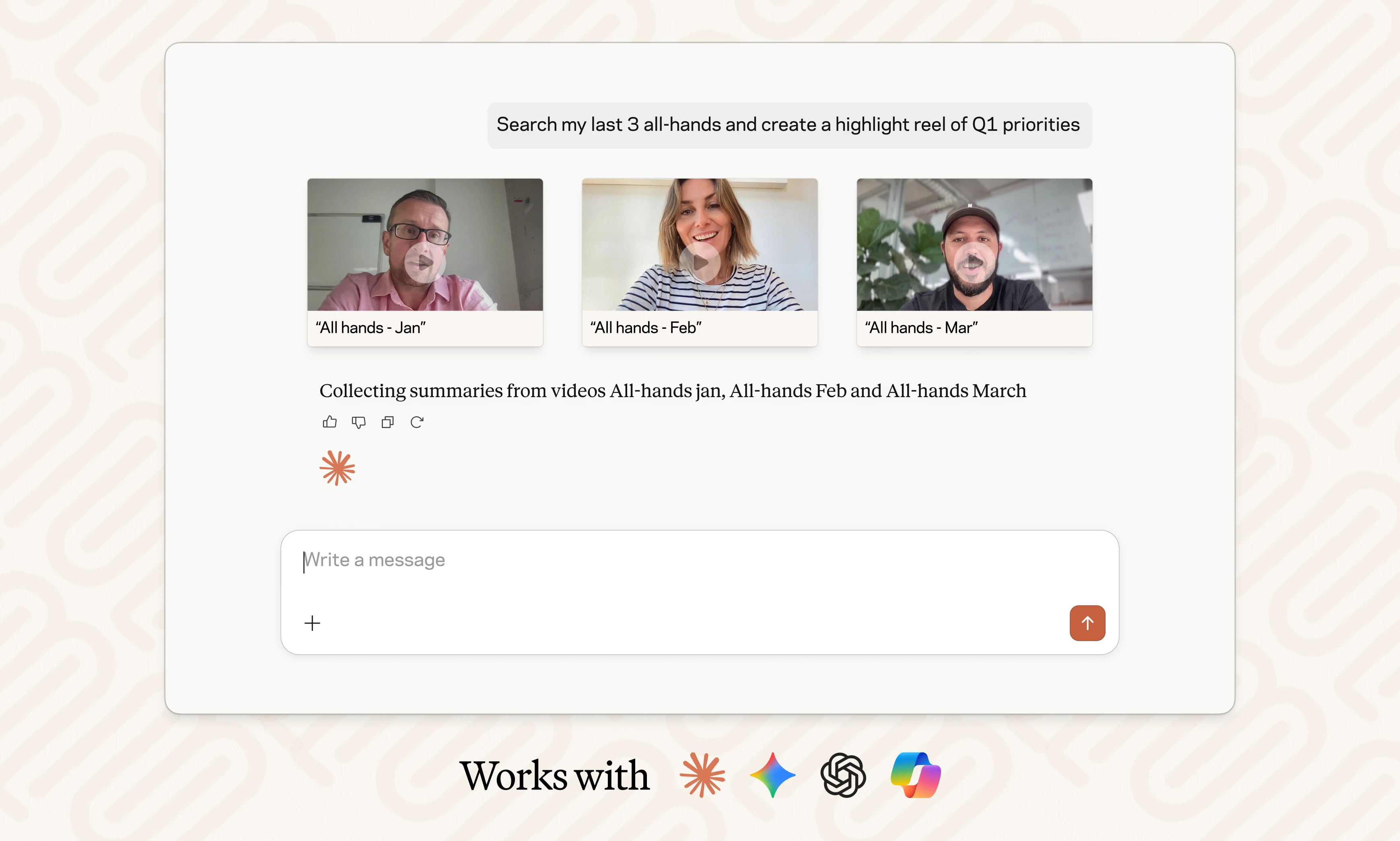
Vouch helps employer brand and talent teams keep employee stories organized and makes approved content easier for recruiters to find and use.
Instead of employee stories disappearing into campaign folders after you’ve created them, your team can keep content in one place and make it available for recruiter outreach, candidate follow-up and other hiring conversations.
That means your recruiters can get more use from the stories you’ve already spent time collecting, while you spend less time manually finding and sending assets.
To see how Vouch can support recruiter enablement across your hiring team, book a demo.
Make employer brand content useful in the moment
Creating good employer brand content is only half the job.
If your recruiters can’t find it quickly, don’t know when to use it or have to do extra work before sending it, even a strong employee story can sit unused.
Start with the questions your recruiters and candidates are already asking. Keep the right stories easy to find. Give your recruiters content they can use without another step.
The goal isn’t to get recruiters to use employer brand content because you created it. It’s to make that content useful enough, and easy enough to access, that it naturally becomes part of how they talk to candidates.

You might also like
.webp)
.webp)

Elevate Your Brand Today With Vouch
Discover how Vouch can accelerate talent acquisition while helping you stay on-brand.