Your careers page is one of the main places candidates go to get a sense of what working at your company is actually like. Job descriptions can tell them about a particular role, but they don’t always give much context about the people, culture or employee experience behind it.
That’s where your careers page can do more. It gives you space to explain what you offer employees, show what your culture looks like in practice and help people decide whether the company could be right for them. For employer brand teams, that doesn’t mean adding more company messaging. It means sharing useful information and backing it up with real examples.
Bring your employer brand to life
- Empower employees’ storytelling
- Transform careers sites with video
- AI-driven video editing
- Publish videos anywhere
Make your employee value proposition clear
Your employee value proposition (EVP) should give candidates a clear sense of what they can expect from working at your company. Broad statements about having a great culture, supporting your people or offering meaningful work don’t tell them much on their own, so the important part is showing what those ideas actually look like for employees.
If career growth is a key part of your EVP, you might talk about development programs, internal mobility or the different ways employees have progressed through the business. If flexibility matters, explain how it works rather than simply describing the company as flexible.
Look at the main claims on your careers page and ask whether another company could easily say the same thing. If they could, there is probably room to make the message more specific or support it with a real example.
You don’t need to fit every part of your EVP into the page. Focus on the parts that matter most to the people you’re trying to hire and make those messages clear enough to mean something in practice.
Use employee stories to show what working there is really like
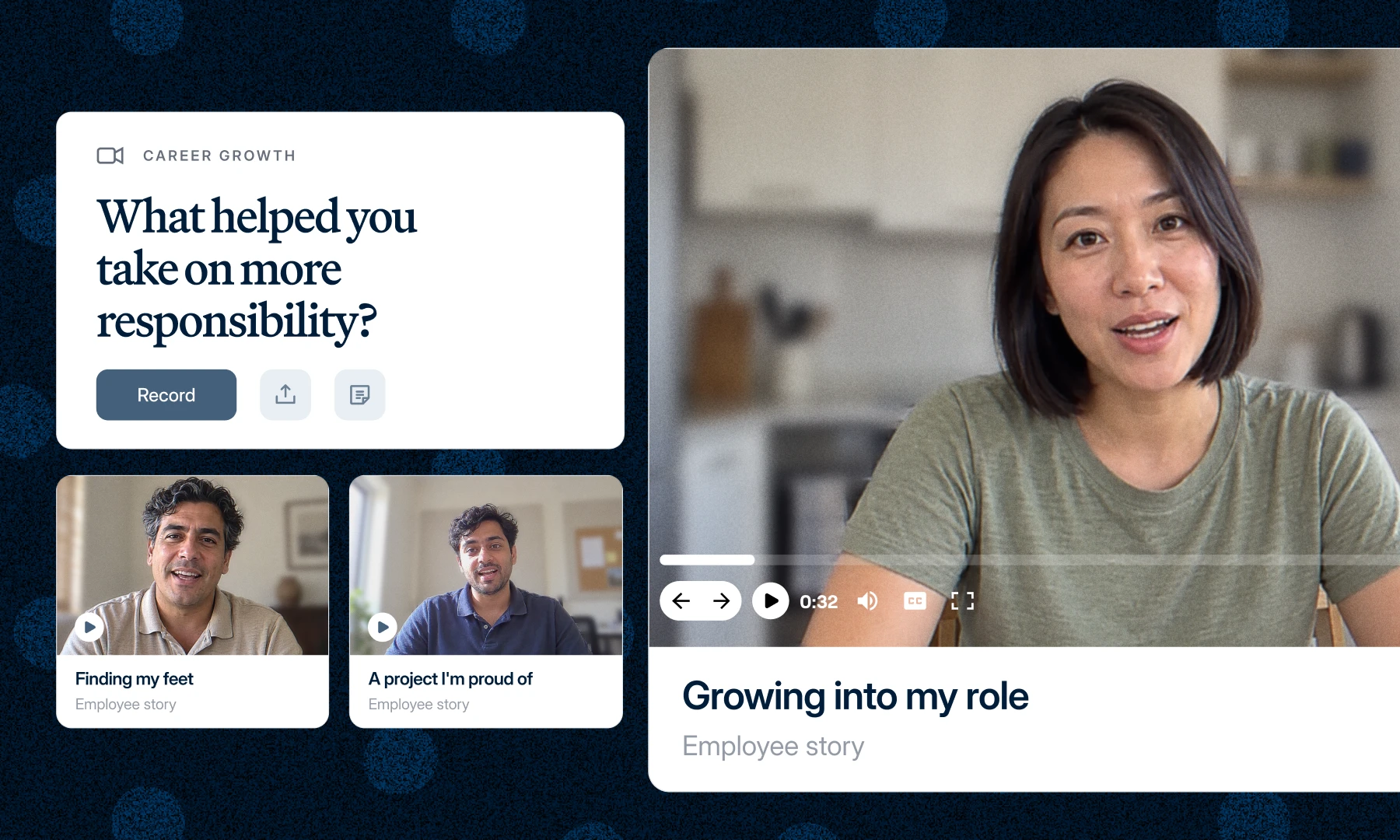
Employee stories can make the messages on your careers page much more believable because candidates can hear directly from the people experiencing them. Instead of asking employees for a general testimonial about why they like working at the company, give them something more specific to respond to.
An employee could talk about how they moved into a new role, what flexibility looks like within their team or a recent project they enjoyed working on. Someone else might explain what surprised them after joining or what their day-to-day work actually involves. Those kinds of answers are much more useful than broad praise.
You also don’t need to keep every employee story in one testimonial section. A story about progression can sit alongside information about career development. A team story can add context to a section about culture. A video about flexible work can help show what your policy looks like day to day.
Think about whose experiences you’re showing too. Depending on who you’re hiring, that could mean including employees from different teams, locations, roles or career stages rather than relying on the same few people to represent the whole company.
Give candidates specific information about the employee experience
Candidates still need the practical details that help them decide whether an opportunity is right for them. That could include:
- Benefits and leave
- Flexible or hybrid working arrangements
- Learning and development opportunities
- Career progression
- Team structures and ways of working
- Office locations or remote working
- Wellbeing initiatives
- What to expect from the hiring process
You don’t need to list every policy or benefit your company offers. Focus on the details people are most likely to care about and explain them clearly. Saying employees have opportunities to grow doesn’t tell someone what that looks like, while explaining how development works or sharing an employee’s progression gives them more to go on.
Your recruiters can be useful here too. If they keep getting the same questions about flexibility, development, benefits or what a particular team is like, that’s a good sign the careers page could answer them earlier. Ask your recruiting team which questions come up most often before someone applies or during first-stage conversations, then check whether the page covers them clearly.
Make it easy to find relevant roles
Candidates shouldn’t have to search for current vacancies after spending time learning about your company. Keep open roles easy to find throughout the careers experience, even if the page contains a lot of employer brand content.
Where it makes sense, you can connect the two. If you have a page about your engineering team, include relevant employee stories and make it easy to see current engineering roles. Content about graduate development can sit close to your graduate opportunities.
The same applies to how you organize the page. Long blocks of copy make it harder to find what matters, while clear sections and focused content make the page easier to scan and move through.
Check the page from a candidate’s point of view. Can someone understand the employee experience and get to relevant open roles without having to hunt for the next step? You don’t need to tell every employer brand story you have. Share what matters and make the next step obvious when someone is ready to look at roles.
Keep your careers page content current
Careers page content can date quickly if nobody is responsible for checking it after launch. Benefits change, flexible working arrangements change, teams move and hiring priorities shift. Employees featured in videos or quotes may leave the company too.
It’s worth reviewing the page regularly to check what is still accurate, what needs replacing and whether anything important is missing. For many teams, a quarterly check is enough to catch obvious issues. Review employee stories, benefits, ways of working, hiring-process information, team details and links to current opportunities.
Some content will stay useful for years. An employee talking about their career progression may still be relevant long after it was recorded, while a video mentioning a particular policy, leader, office setup or hiring process might need updating much sooner.
You also don’t need to create something new every time you refresh the page. If your employee content is organized properly, you may already have an approved story that can replace something that is no longer useful. That makes it much easier to keep the page aligned with how the company works today.
Keep careers page content fresh with Vouch
Keeping a careers page fresh gets harder when every new employee story means scheduling another interview, organizing a recording and following up for files.
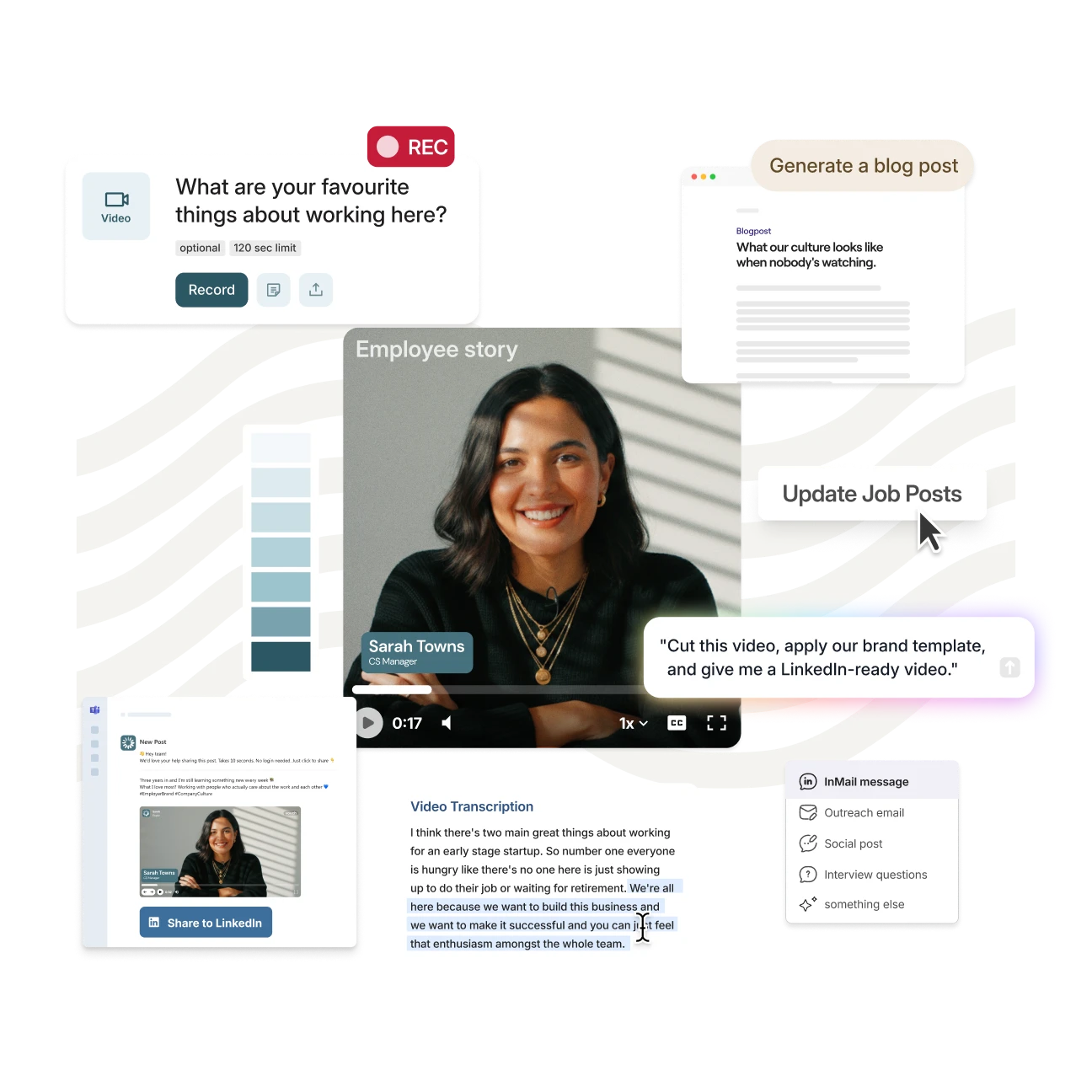
Vouch helps employer brand teams collect employee stories remotely, keep that content organized and find the right stories when they need them. Employees can record in their own time, while your team builds a library of content around different roles, locations, candidate questions and employer brand themes.
That content can be used beyond the careers page too. The same employee stories can support social content, recruiter outreach, recruitment campaigns and other employer brand activity, so you can get more use from what you’ve already collected.
If you want to make it easier to bring real employee stories into your careers page and keep the content current, book a demo.

You might also like
.webp)
.webp)

Elevate Your Brand Today With Vouch
Discover how Vouch can accelerate talent acquisition while helping you stay on-brand.