Collecting a few employee stories is easy enough to keep on top of. Collecting them across different teams, roles and locations is where things start to get messy.
One person still needs a reminder. Another has sent something through that needs approval. Someone else has responded, but the file is sitting in a different folder or inbox. The more requests you have in progress, the more time gets lost to the Coordination Tax around the content itself: follow-ups, handoffs, status checks and trying to work out what still needs attention.
If you want to collect more employee stories without creating more admin, the process has to make those requests easier to manage from the start.
Bring your employer brand to life
- Empower employees’ storytelling
- Transform careers sites with video
- AI-driven video editing
- Publish videos anywhere
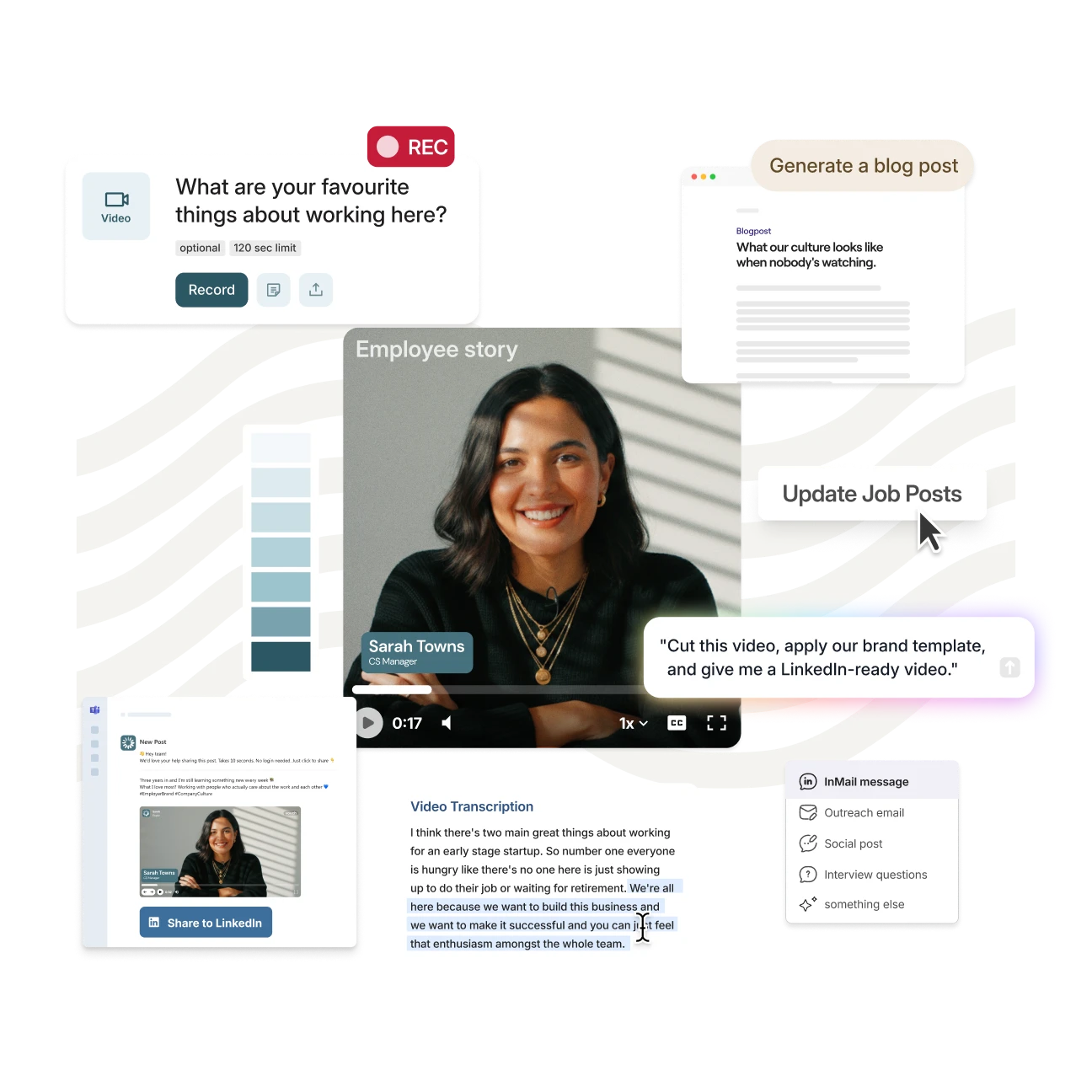
Make every content request clear and specific
A lot of follow-up starts with a request that is too vague. Asking someone to “share their employee story” still leaves them to work out what you actually want them to talk about, how much to say and what the content is for.
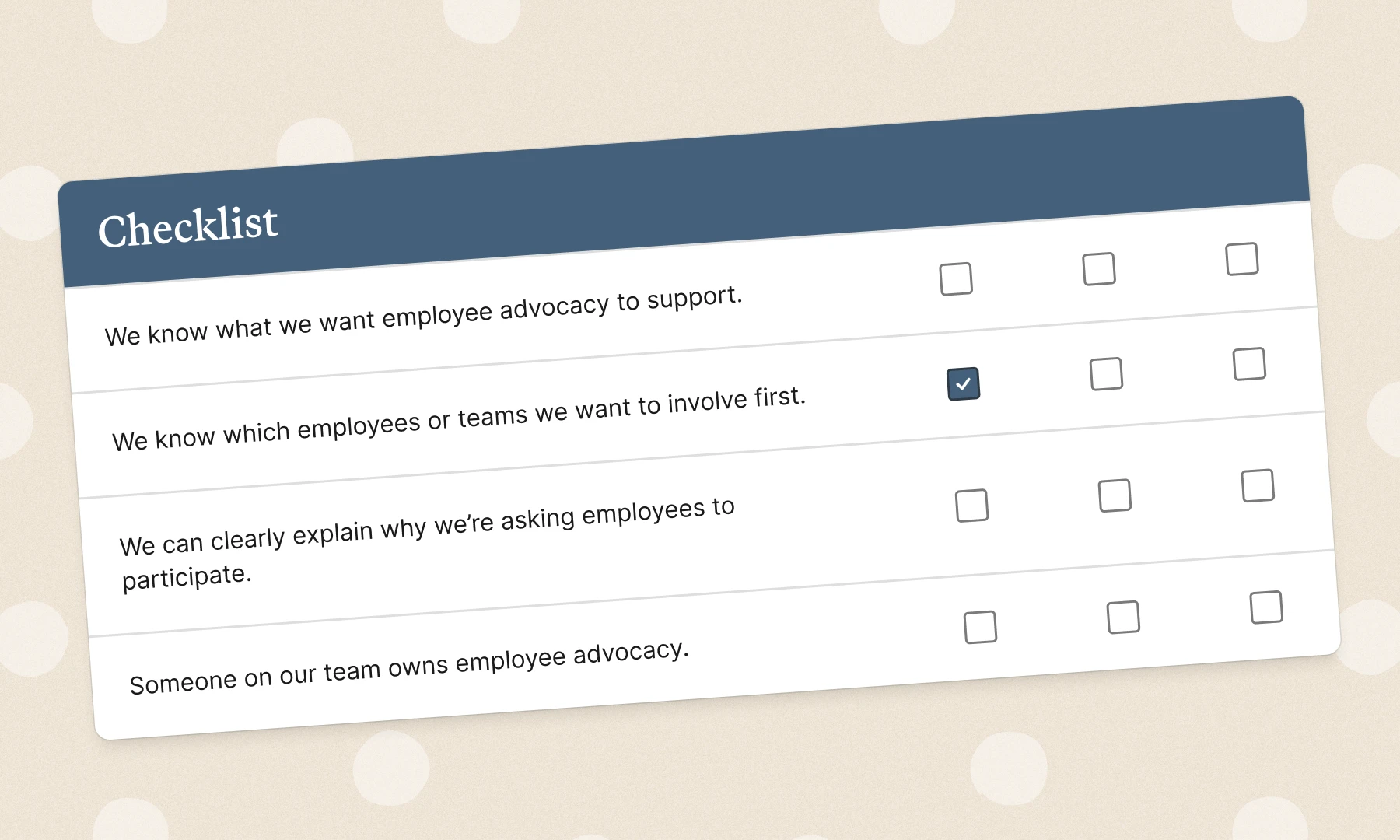
Before you send anything, make sure the employee can quickly understand what you need from them, why you’re asking, how they should respond, where the content may be used and when you need it.
You also don’t need to start from scratch every time. Keep the basic structure of your requests consistent, then adjust the prompts and context depending on the story you need. That gives employees the information they need while making requests easier for your team to create and manage.
You don’t need a long brief. A few focused prompts and clear instructions are usually enough to get someone started without another round of questions. The clearer the request is upfront, the less your team has to explain or chase later.
Let employees contribute on their own time
Once your request is clear, employees shouldn’t always need a meeting just to take part. Scheduled interviews can work for a small number of stories, but they become harder to manage when you’re reaching people across different teams, locations and schedules.
Where it makes sense, let employees respond when they have time. That could mean answering a few prompts in writing or recording a short video without having to find a time that works for everyone.
For that to work, employees need enough information to get started on their own. Clear prompts and simple instructions can cut down on extra questions, meetings and back-and-forth. It also means your team spends less time coordinating calendars just to keep each story moving.
Manage requests, submissions and status in one place
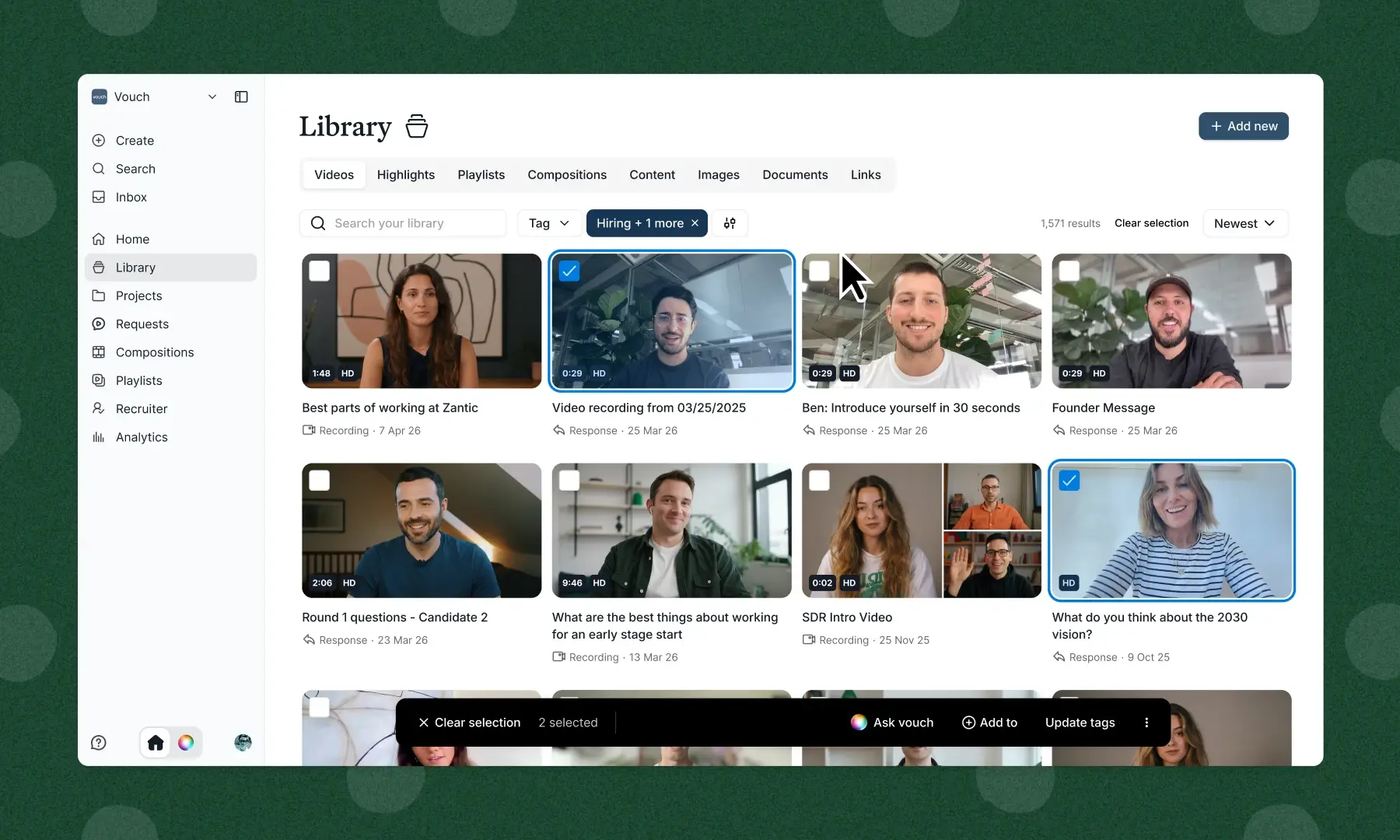
Once you have several employee stories in progress, it becomes harder to keep track of everything if requests, responses and approvals are spread across different places.
For each story, your team should be able to see what’s happened and what needs to happen next. Has the employee responded? Is the content waiting for review? Is it approved and ready to use? Keeping that information in one place means you don’t have to piece it together from emails, folders and message threads.
That makes it easier to see what actually needs attention. Instead of spending time checking for updates or working out what stage each story is at, your team can focus on the requests that actually need a follow-up, review or approval.
Keep review and approvals simple
Getting a story submitted is only one part of the process. It can still get held up if it has to pass through several rounds of review before it can be used.
Before you start collecting content, decide who needs to review it and what they are checking for. That might include factual accuracy, employee consent, legal or privacy requirements, brand requirements and final sign-off from the employee where needed. Some stories will need more checks than others, so there’s no reason to send every piece of content through the same review process.
When those decisions are made upfront, stories are less likely to sit waiting while your team works out who needs to review them next or what still needs approval.
Turn approved stories into a reusable content library
Once a story is approved, don’t let it disappear into the folder for the campaign it was originally collected for. Your team should be able to find it again without having to remember when it was created or where it was saved.
One employee story might be useful on a careers page now, in a recruitment campaign later and in a social post months down the track. If your team can’t see what already exists, they may end up requesting new content when a useful story has already been collected.
Keep approved employee stories organised by details your team is likely to search for, such as role, team, location or topic. That makes it much easier to check what you already have before starting another round of content requests.
Make employee story collection easier with Vouch
The more employee stories you collect, the harder it becomes to manage everything manually. Vouch gives employer brand teams one place to send content requests, collect employee responses and keep track of what has been submitted.
Once a story is collected, your team can keep it organised so it’s easier to find and reuse across future roles, campaigns and channels. That means your team doesn’t have to keep chasing updates, searching through folders or starting from scratch every time you need employee content.
If you want to see how Vouch can help your team collect more employee stories without adding more admin, book a demo.

You might also like

Elevate Your Brand Today With Vouch
Discover how Vouch can accelerate talent acquisition while helping you stay on-brand.