Employer brand teams are often juggling far more than the content itself. There are employees to brief, requests to send, stakeholders to follow up with, approvals to manage and existing assets to track down.
That hidden work is the Coordination Tax: the time employer brand teams lose coordinating the people, content and processes around creating stories.
For smaller employer brand teams, it can add up quickly.
Bring your employer brand to life
- Empower employees’ storytelling
- Transform careers sites with video
- AI-driven video editing
- Publish videos anywhere
What is the Coordination Tax?
The Coordination Tax is the hidden work that sits around creating and using employee content. It includes the briefs, reminders, approvals, handoffs, asset searches and stakeholder follow-up needed to get a story from request to published content.
None of those tasks is unusual on its own. The problem is how much time they can take when they’re repeated across multiple roles, campaigns and teams.
Say a recruiter needs an employee video for an upcoming hiring campaign.
The employee might only need a few minutes to record it, but before that video is ready to use, the employer brand team may still need to:
- Find the right employee
- Brief what’s needed
- Send the request
- Follow up
- Review the recording
- Edit the asset
- Collect stakeholder feedback
- Edit the asset, again
- Get approval
- Store the final asset
- Share it with recruiters
The recording itself might be quick, but coordinating everything around it often takes much longer.
Where does employer brand time actually go?
The finished content is easy to see. The work behind it usually isn’t.
None of these tasks feels especially big on its own. The problem is how often they happen.
Where does the Coordination Tax show up?
Content requests and follow-up
Employees are being asked to contribute on top of their day jobs, so if a request is vague, open-ended or feels like a lot of work, it’s easy to put off.
That usually means more follow-up for the employer brand team. There might be a reminder, then a question about what to say, followed by another message because the deadline is getting closer.
Clear employer brand content requests can reduce some of that back and forth by giving employees the purpose, format, deadline and expectations upfront.
Reviews and approvals
Employee stories often need to be reviewed before they go live, but the process can slow down when it isn’t clear who actually needs to review them.
Content can end up moving between employer brand, talent acquisition, hiring managers, marketing, legal and the employee themselves. Sometimes all of those people need to be involved. Sometimes they don’t.
When ownership is unclear, the employer brand team ends up chasing feedback, working through duplicate comments or waiting for someone to make the final call.
Finding and reusing existing content
Sometimes you don’t need a new story. You already have one, but you need to find it.
Content can end up spread across shared drives, campaign folders, editing tools and different teams. You might remember filming someone from Engineering last year, but not remember where the final version lives, whether it was approved or whether the information is still current.
If finding existing content takes too long, creating something new can often feel easier. But then you’re back to finding an employee, sending another request, editing the content and starting the review process again.
One employee story can often do more than one job. A longer interview might give you several shorter clips, while a careers page story might also work for recruiter outreach or social content.
A regular employer brand content library audit can help teams see what they already have, what’s still useful and what can be repurposed.
Why the Coordination Tax matters
Most of the Coordination Tax doesn’t show up as one big problem. It’s spread across small tasks throughout the week.
For employer brand teams, that time has to come from somewhere. It can mean less time for:
- Campaign planning
- Candidate research
- Content strategy
- Recruiter support
- Working directly with employees
- Reviewing what content is actually working
The team is still doing plenty of work. Too much of it is happening around the content rather than helping get useful employee stories into market.
How to reduce the Coordination Tax
You probably can’t remove coordination completely, nor should you.
Employees still need context, content still needs editing and reviewing and teams still need to know what’s approved. The goal is to remove the unnecessary back and forth around those steps.
Make requests easier to complete
Give employees enough information to respond without needing several follow-ups.
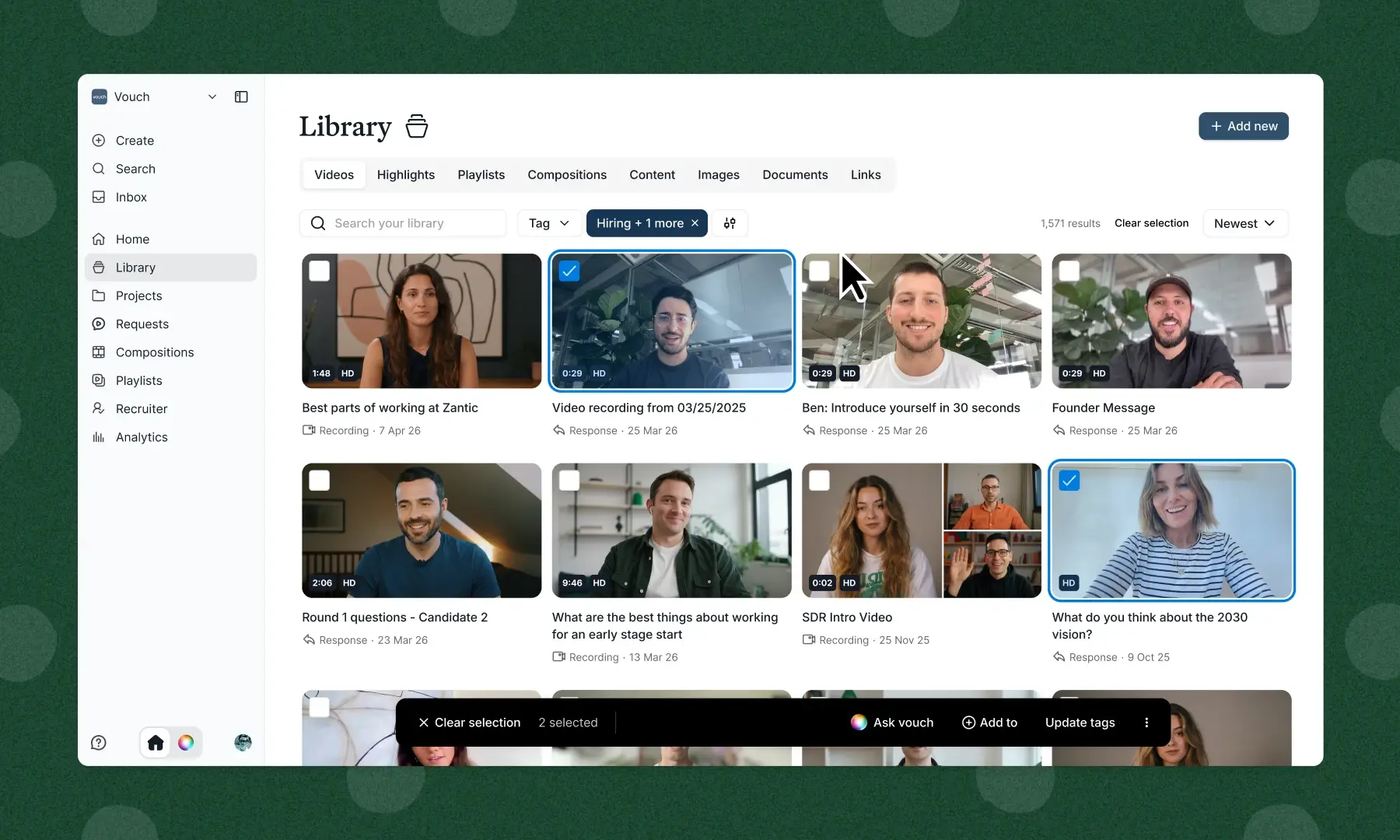
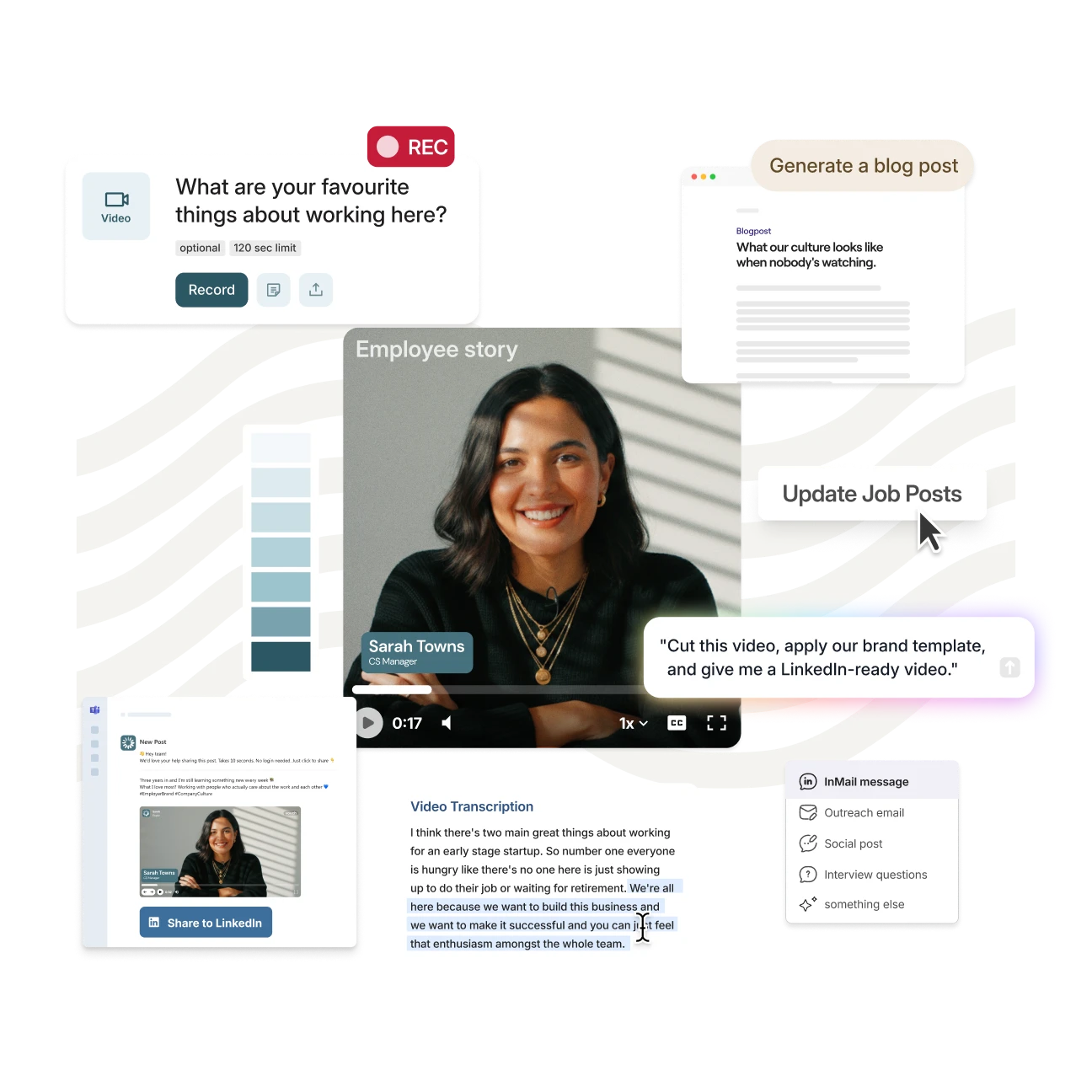
Be clear about what you need, why you need it, how long it should take and when you need it. Focused questions and clear deadlines make the request easier to act on. Vouch Requests help streamline this process by creating clear instructions, asynchronous recording and file collection sent straight to your Vouch Library.
Keep approvals clear
Decide who needs to review content before production starts.
Not every stakeholder needs to approve every asset. For some content, employer brand and the employee may be enough. Other stories may need input from legal, communications or another team.
Knowing approvals upfront helps avoid unnecessary review loops and keeps content moving.
Make existing content easier to find and reuse
Keep approved employee stories somewhere your team can quickly see what exists and what can still be used.
You should be able to see:
- Who’s featured
- What they talk about
- Whether the content is approved
- Where it can be used
- Whether it’s still current
Before sending another request, check what you already have. The right story may only need to be updated, repurposed or surfaced for the right team.
More content isn’t always the answer. Sometimes the better move is making what you already have easier to use.
Less coordination, more useful employer brand work
Employer brand teams will always need to coordinate people and content, but they shouldn’t have to manually hold every request, reminder, review and asset together.
When requests are easier to complete, ownership is clearer and existing content is easier to find, less time disappears into chasing, searching and recreating.
That gives employer brand teams more time to focus on the work they actually want to be doing.
Vouch gives employer brand teams one place to capture employee stories, keep content organized and make approved assets easier to find and reuse. If you want to see how Vouch can support your team, you can book a demo.
The goal isn’t simply to create more content. It’s to make the content you create simpler to collect, manage and reuse.

You might also like
.webp)
.webp)


Elevate Your Brand Today With Vouch
Discover how Vouch can accelerate talent acquisition while helping you stay on-brand.